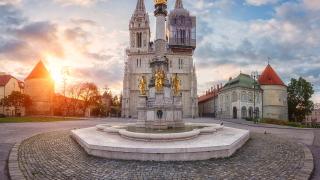

Zagreb does not announce its arrival with a shout, but rather with a layered whisper of Austro-Hungarian grandeur meeting vibrant, modern life. The city unfolds like a tapestry where ornate neoclassical facades overlook bustling cobblestone streets, creating a visual dialogue between the imperial past and the energetic present. To truly grasp this duality, you must first descend from the elevated historical view and plunge into the sensory overload of Dolac Market. Located just a stone’s throw from Ban Jelačić Square, this is the city’s beating heart. Here, the air is thick with the scent of fresh herbs and the sharp tang of bright red paprika. Vendors call out over crates of seasonal produce, creating a rhythmic soundscape that captivates everyone from seasoned foodies to wide-eyed children. Kids are often mesmerized by the towering umbrellas and the rhythmic clatter of wooden stalls, finding joy in the simple chaos of fresh honey and local cheeses.
For a perspective that balances this energy with history, take the iconic funicular or simply stroll up to the Upper Town (Gornji Grad). This medieval enclave, protected by ancient stone walls, offers a stark, serene contrast to the lower city’s bustle. The tram system serves as the city’s circulatory system, effortlessly gliding passengers between the modern administrative center and these historic heights. Once here, the atmosphere shifts. Locals are notably warm, often eager to guide visitors toward hidden courtyards or the best kava (coffee) spots, turning a simple question into a genuine conversation.
Budget-conscious travelers should prioritize the Zagreb Card, a pragmatic tool that bundles museum entries with unlimited public transport, eliminating the friction of constant ticket purchases. Alternatively, free walking tours offer an engaging entry point, led by guides who weave personal anecdotes into the broader historical narrative. This flexibility allows you to curate an experience that balances structured exploration with spontaneous discovery, capturing the true essence of a capital that refuses to be defined by a single identity.
Woodland Wonders: Boardwalks and Waterfalls at Plitvice
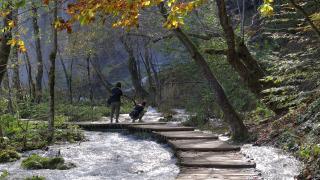
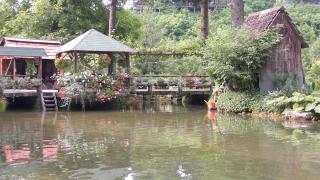
Stepping into Plitvice Lakes National Park feels less like visiting a tourist site and more like entering a living, breathing ecosystem. The park’s sixteen terraced lakes form a shimmering mosaic of emerald and sapphire, linked by cascading waterfalls that thunder into crystal-clear pools. The clarity of the water is startling; you can often count every pebble on the lakebed, where small fish dart nervously among submerged tree roots. For children, this underwater theater is a playground of wonder, offering endless moments of discovery as they spot silvery flashes of trout and minnows.
The infrastructure here is designed to protect both the visitor and the fragile environment. Sturdy wooden boardwalks zigzag through the lush forest, ensuring safe passage above rushing currents and slippery moss. However, preparation is key. The mist from the waterfalls keeps the paths perpetually damp, making waterproof shoes an absolute necessity rather than a luxury. To avoid the midday crowds that tend to congregate near the most famous waterfalls, planning your route in advance is essential.
Dedicating a full day to the park allows for a deeper immersion without the rush. The Upper Lakes sit higher up, offering quieter, more serene walks through dense foliage, while the Lower Lakes feature dramatic drops and busier paths. This extended exploration creates lasting memories for families who appreciate nature’s quiet, unforced beauty, providing a stark, refreshing contrast to the urban energy of Zagreb.
Slavonian Soul: Feasts and Fortresses in the East
While the coastal regions of Croatia surge with summer crowds, Slavonia invites you to slow down and dig deeper. In Osijek, Baroque facades trace the gentle curve of the Drava River, offering shaded promenades where children can run freely, far removed from the intense heat of the southern coast. This region is defined by resilience. Vukovar’s fortified city and the elegant Eltz Manor stand as silent witnesses to a complex history, offering a space for reflection that is both respectful and deeply educational for younger minds.
The culinary landscape here is hearty and honest, a stark departure from the refined coastal cuisine. A bowl of čobanac stew delivers rich, smoky flavors that often surprise and delight older children. Local konobas serve these meals in relaxed, unpretentious settings, making strangers feel like old friends. The community spirit is so palpable that you stop feeling like a transient tourist and start feeling like a neighbor.
Vineyards and orchards paint the landscape in shifting seasonal hues, rewarding those willing to look away from the sea. This inland heartland offers a different kind of luxury: time. Pause here. Eat well. Listen to what the land has to say. It is a place where the pace of life slows to match the rhythm of the seasons, offering a profound sense of connection to the Croatian interior.
Logistics and Seasons: Planning Your Inland Journey
Navigating Croatia’s interior with children requires a bit of foresight, but the trade-off for scenery and solitude is significant. While renting a car offers flexibility on winding roads, the Croatian Railways (HŽ) provide a captivating alternative. Their efficient lines connect Zagreb directly to the Plitvice Lakes, keeping young passengers entertained by the passing landscapes without the stress of driving. For areas off the beaten track, such as the remote villages of Slavonia, local buses are indispensable. These rides can be lengthy, so packing snacks and entertainment is a smart move.
Weather in the interior can be unpredictable. Temperature drops are sudden, and snow often blankets mountain passes during the winter months, potentially delaying itineraries. Pack warm layers to ensure comfort, and always check weather forecasts closely. Public transport schedules also change during holidays, so verifying these updates before departure is a simple step that prevents unnecessary stress.
For a vibrant start to any day in the capital, visit Dolac Market. It opens daily, offering a lively atmosphere that delights both adults and children alike. With careful preparation, your family’s journey through Croatia’s diverse landscapes becomes not just manageable, but truly memorable. The key lies in balancing structure with spontaneity, allowing the unique character of each region to guide your path.