

Shadows of the Old Town: A Morning Ritual
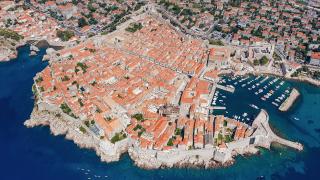
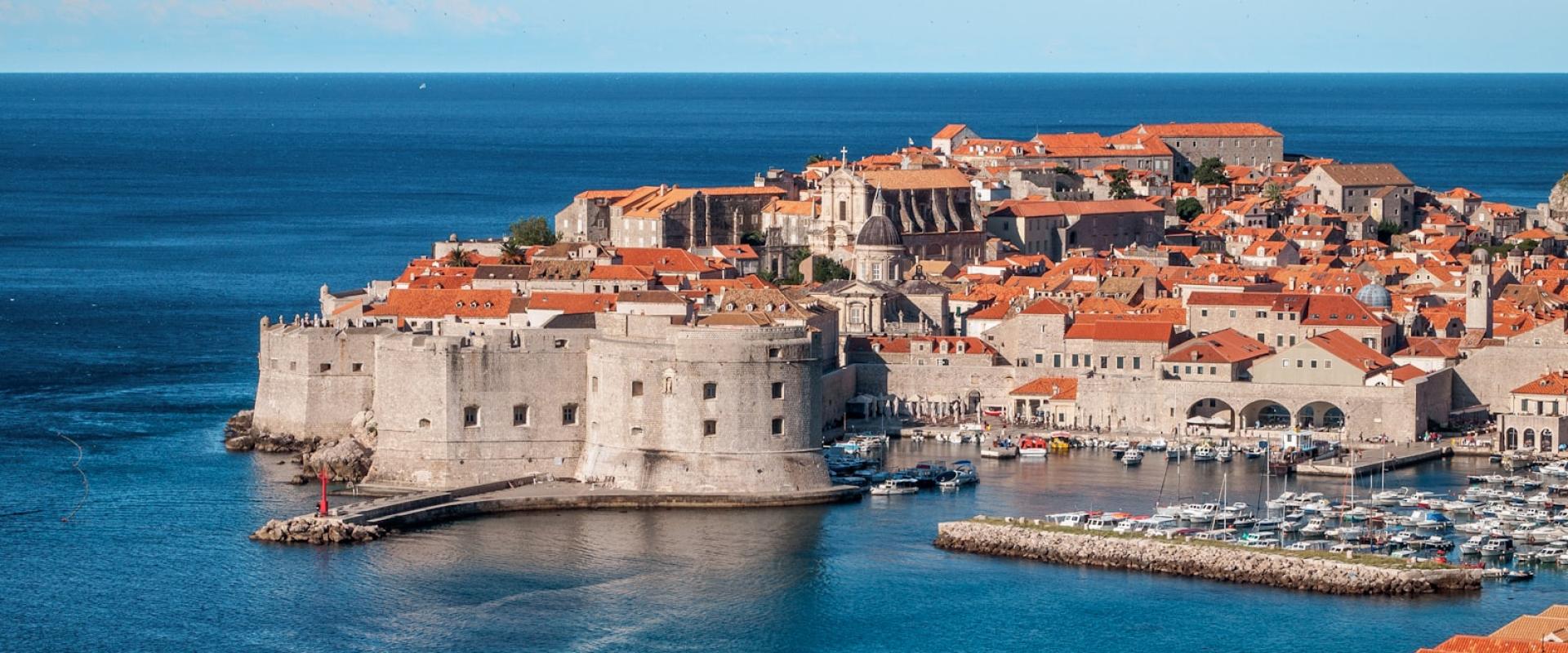
The sun crests the Lapad peninsula, stretching long, dramatic shadows across the limestone streets of Dubrovnik’s historic core long before the first cruise ship docks. Arriving at the Pile Gate precisely at 9:00 AM unlocks the city’s quieter side. The air feels cool and crisp. Crowds have not yet arrived. This timing is not merely a suggestion; it is a strategic necessity for preserving your sanity and your photography. By entering early, you bypass the midday heat and the throngs that typically flood the Stradun by noon. The silence here is profound. You hear only the echo of your own footsteps against the ancient fortifications.
Appreciating the texture of the Romanesque and Gothic architecture becomes possible without the visual noise of selfie sticks. Consider the investment: a ticket to the City Walls currently runs around 300 kuna (roughly 40 EUR), a modest price for solitude. Walking the length of the ramparts reveals soft, diffused light ideal for capturing terracotta roofs against the azure Adriatic. Later, the sun will be harsh and the crowds dense. Now, the city feels yours to explore. Reflect on the history embedded in these stones. This ritual transforms a standard tourist activity into a meditative experience. You are not just sightseeing. You are participating in a daily rhythm that respects the pace of the city.
The walls offer a panoramic view that is both expansive and intimate. Use this time to breathe deeply. Let the morning light guide your lens. This is how you truly see Dubrovnik.
Beyond the Cable Car: Hiking Srđ’s Secrets
The funicular is convenient, yet it drains your wallet and deposits you into a throng of tourists. Instead, take the trail from the coastal village of Guvnići to reach the summit on your own terms. This path offers a refreshing escape from the congestion that chokes the Old Town during peak hours.
Winding through dense pine forests and rugged rocky paths, the ascent provides a genuine physical challenge that the lift conveniently bypasses. You will sweat profusely, but the reward is a pristine, unobstructed view of the Adriatic and the ancient city walls. This active approach not only saves money but also fosters a deeper connection to the landscape.
While studies often highlight the overwhelming nature of overtourism in Dubrovnik, choosing this trail allows you to sidestep the commercialized summit area entirely. You gain a profound sense of accomplishment that a simple mechanical ride simply cannot provide.
The natural scenery of Mount Srđ stands in stark contrast to the urban density below. It is a quieter, more authentic way to engage with the region’s geography. By opting for the hike, you engage with the environment directly, aligning with a more thoughtful travel style.
You witness the coastline from a different perspective, one that is earned rather than purchased. The physical exertion clears the mind and offers a unique vantage point for photography. It is a simple choice that significantly alters the experience of visiting this historic site.
Lapad and Gruž: The Pulse of Local Life
Step past the Pile Gate, and Dubrovnik sheds its museum-like stiffness. Gruž Market awakens at dawn, a vibrant chaos where vendors stack fresh figs and local cheese beneath the stark modernist lines of the Gruž Church. Here, a basket of produce costs less than five euros, a refreshing counterpoint to the inflated prices found within the tourist core. Residents gather here to chat and live their daily rhythms, entirely detached from the rigid schedules of cruise ships.
Lapad offers a quieter counterpoint to the market’s energy. The Banje Beach area features shallow, clear waters ideal for swimming, while nearby beach bars provide comfortable sunbeds at reasonable rates. After a dip, wander along the Riva promenade, where locals jog and children chase each other through the evening air. The architecture here blends Austro-Hungarian elegance with modern comforts, creating a relaxed atmosphere that feels distinctly un-touristy.
For a moment of reflection, the Franciscan Monastery in Lapad provides a serene escape from the crowds. These neighborhoods reveal the true heart of Dubrovnik, where history and modern life coexist without friction. Seek out family-run konobas to taste hearty local dishes paired with crisp wine. The atmosphere is genuine, offering a window into the city’s soul that stone walls alone cannot provide.
Day Trips: Montenegro and the Elaphiti Islands
Dubrovnik’s summer sun can feel oppressive within the stone walls, making a quick escape both necessary and refreshing. Ferries to the Elaphiti Islands depart regularly, whisking you away from the throngs on the Stradun. Lopud, the largest of the trio, offers a stark contrast to the city’s bustle with its pine-shaded paths and sandy beaches. You might spend the morning wandering the grounds of the Rector’s Palace, enjoying the silence that feels worlds away from the Old Town’s chaos.
Crossing the border into Montenegro introduces a dramatic change in scenery. The drive to Kotor winds through steep limestone mountains that drop sharply into the deep blue Adriatic. This UNESCO-listed bay provides a majestic backdrop, especially if you hike the Venetian walls for a panoramic view. The shift from Croatian coastlines to Montenegrin ruggedness is seamless, yet distinct enough to feel like a new discovery.
Alternating between these two destinations prevents travel fatigue. The Elaphiti Islands offer serene relaxation, while Kotor delivers historical depth and dramatic landscapes. This balance allows you to experience the region’s geographic diversity without the exhaustion of constant movement. Your itinerary becomes a genuine exploration rather than a rushed checklist. The Adriatic reveals its true character when you move at your own rhythm, savoring each unique environment.