Anchoring in Adventure: Why Korčula and Mljet Are Your Family’s Best Bet
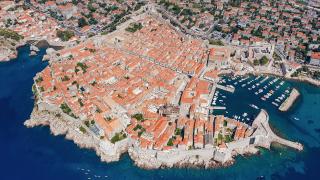
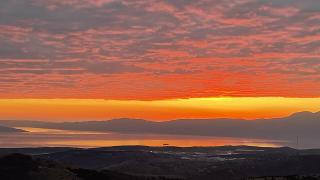
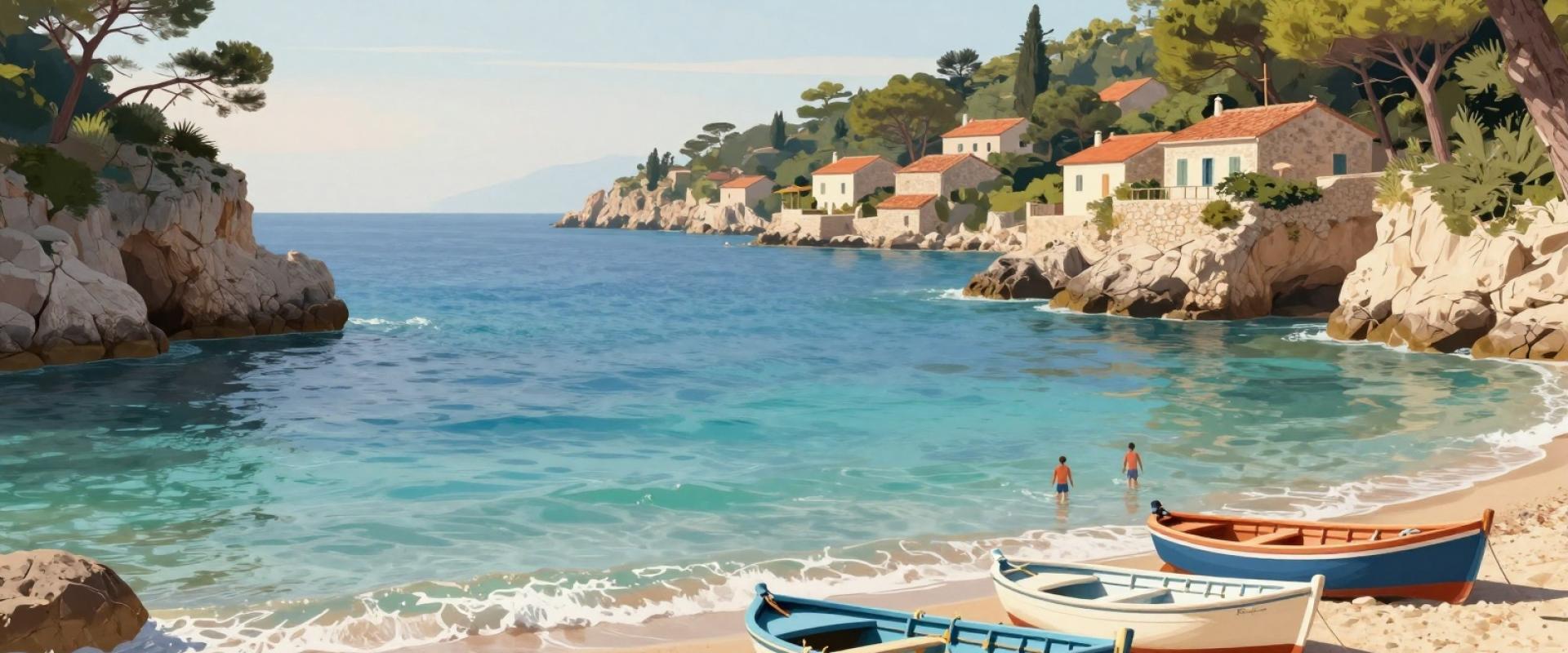
Forget the suffocating queues of Dubrovnik’s Stradun. While millions flock to the walled city, just a short ferry ride away lies a quieter, more authentic Adriatic rhythm. Korčula and Mljet offer a sanctuary for families seeking space to breathe, where children can run wild on pebbled shores and parents finally exhale. Here, the pace is dictated by the tide, not the tour group. You will find secluded bays with water so clear it looks like glass, framed by ancient stone fortifications that whisper stories of Venetian galleys. This is not a checklist destination; it is an immersion into a slower way of life, where the only rush is to catch the sunset over the pine-covered hills.
Chasing the Tide: Ferry Logistics That Won’t Test Your Patience
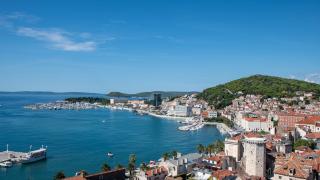
The key to a stress-free island hop starts in Split, not Dubrovnik. By bypassing the southern congestion, you gain significant time and sanity. Board a high-speed catamaran from Split’s port, and the mainland dissolves behind you in just 40 minutes. This speed is a game-changer when managing restless legs and short attention spans. To secure the best seats—ideally those with unobstructed views of the passing islands—arrive at the terminal at least 30 minutes prior to departure. From Split, the catamaran slices through the water, reaching Korčula and eventually Mljet in a swift 15-minute leg.
For a seamless experience, consider booking a full-package service. Prices typically range from £795 to £1095 per person, a figure that covers your ferry tickets, local assistance, and curated timetables. This eliminates the guesswork of navigating local ferry apps while juggling little ones. Always check the tide tables before setting out; the Adriatic’s ebb and flow can subtly affect docking procedures in smaller ports. Plan ahead, and you will glide through the journey with the ease of a seasoned sailor.
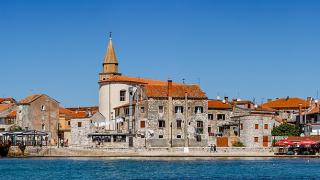
Korčula Old Town feels less like a museum and more like a living, breathing maze of medieval intrigue. Narrow stone alleys twist and turn, their walls warmed by the sun, while the distant clatter of hooves on cobblestones reminds you of the island’s legendary past—some say it is the birthplace of Marco Polo. Children love the sheer scale of the St. Mark’s Cathedral and the towering city walls, feeling like explorers in their own right.
When the heat peaks, retreat to the Lumbarda peninsula. Here, the landscape shifts to rolling vineyards and secluded beaches. The water here is remarkably shallow and calm, creating a natural paddling pool for toddlers. The sandy bottom is soft, and the depth increases gently, allowing parents to sit on a towel with a drink in hand while keeping a watchful eye. It is one of the few places in the region where "relaxation" is not an oxymoron.
As evening descends, reward your family with gelato from one of the artisanal shops tucked away in the side streets. The creamy textures melt slowly in the warm Adriatic air, a sweet punctuation to the day. For dinner, seek out a traditional konoba. These family-run taverns burst with life, filled with the scent of grilled octopus, fresh fish, and local olive oil. The atmosphere is convivial and loud in the best possible way, a stark contrast to the sterile silence of hotel dining rooms. This route allows you to bypass the tourist traps, leaving you with genuine memories rather than just photos.
Into the Green Heart: Mljet’s Salt Lakes and Monastery Treasures
Cross over to Mljet, and the color palette of the Adriatic shifts dramatically. The water turns from sparkling blue to a deep, emerald green, inviting you to paddle into the national park’s two salt lakes. The silence here is profound, broken only by the lap of water against wooden pontoons. Glide your kayak toward St. Mary’s Island, a tiny speck in the middle of the lake where a thirteenth-century Benedictine monastery stands sentinel. The architecture is stark and beautiful, backed by dense pine forests that have remained largely unchanged for centuries.
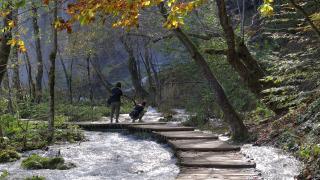
Hiking trails wind through these ancient woods, leading to natural springs where fresh water bubbles up from the earth, mixing with the salt. It is an educational experience for kids, who will delight in spotting herons and kingfishers darting through the reeds. However, be prepared for a lack of infrastructure; dining options within the park are virtually non-existent. Packing a picnic is not just a suggestion—it is essential. Spread a blanket on the grass, eat your sandwiches while listening to the wind in the pines, and enjoy the stillness. This escape offers a stark, peaceful contrast to the bustling energy of the mainland, making it a perfect day for reflection and reconnection.
The Parent’s Survival Kit: Packing Smart for Island Life
Island hopping with children requires a different approach to luggage. Ferries between Korčula and Mljet often have tight turnaround times and limited space for bulky items. Hauling heavy suitcases over cobblestones and up steep stone steps is a recipe for disaster. Instead, pack only what fits into a durable, manageable daypack. You do not need a week’s worth of clothes for a weekend escape; adaptability is your greatest asset.
Footwear is critical. You will navigate two distinct terrains: slippery, wet rocks near the water and uneven, polished cobblestones in the old towns. Bring waterproof shoes or sturdy sandals with good grip for the former, and comfortable walking shoes for the latter. Sun protection is equally vital. The Adriatic sun reflects off the white stone and the water, intensifying its burn. High-SPF sunscreen, wide-brimmed hats, and UV-protection sunglasses are non-negotiable.
Hydration and energy management are key to avoiding meltdowns. Bring reusable water bottles to stay hydrated without contributing to plastic waste, and stock up on high-energy snacks like dried fruit, nuts, or granola bars. These small items can quell hunger pangs during transit and keep toddler energy levels stable. Keeping these essentials in an easily accessible outer pocket of your daypack saves time and frustration. This simple strategy ensures that you focus on the scenery and the joy of discovery, rather than the burden of your gear.