



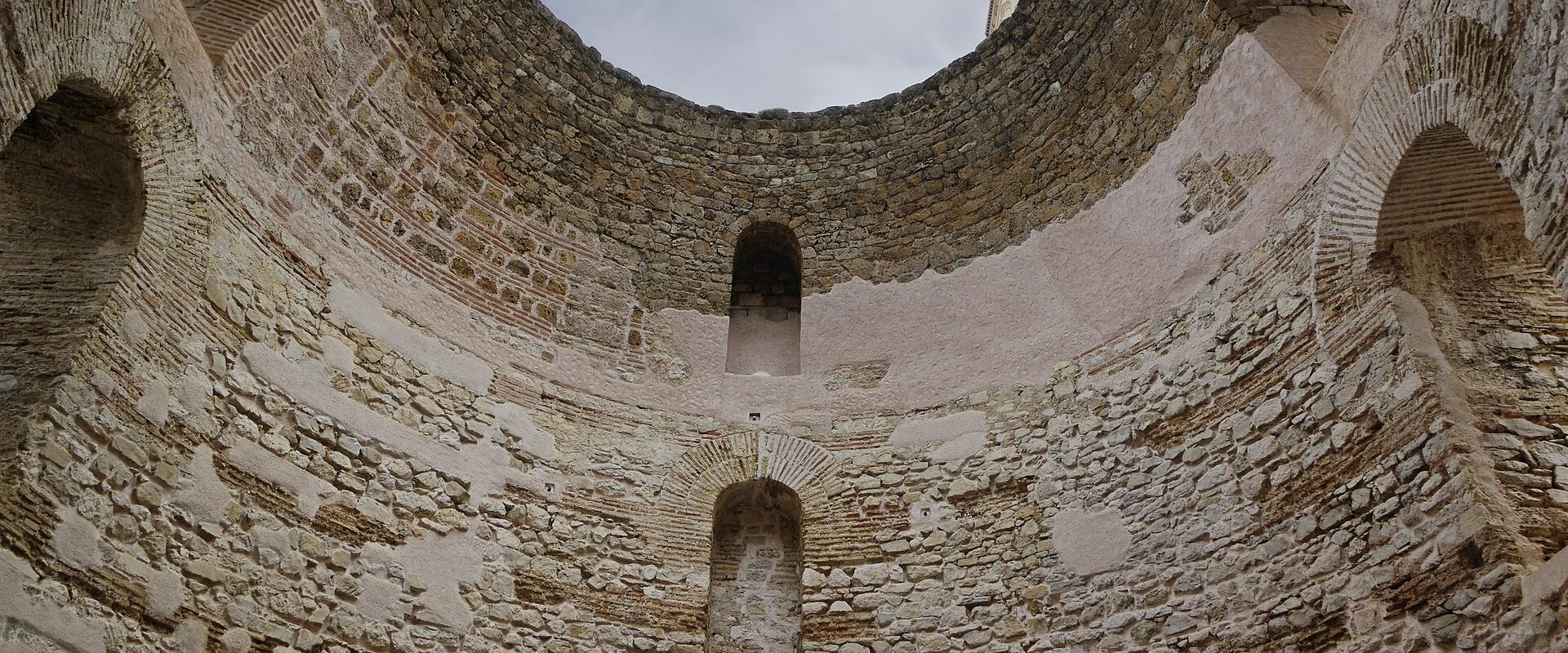
Step Into the Emperor’s Backyard
Diocletian’s Palace refuses to be categorized as a mere tourist attraction. Instead of a sterile, static museum, it operates as a vibrant residential hub for approximately 3,000 locals who navigate its winding streets every day. You might catch the haunting, polyphonic harmonies of klapa groups drifting from the Peristyle square, weaving seamlessly with the clatter of espresso cups in the shaded arcades below. This UNESCO-listed complex, erected in the late 3rd century AD, layers ancient stone facades directly over modern commerce, creating a unique urban tapestry.
Walking past the weathered Golden Gate offers a tangible connection to antiquity that few other sites can match. Here, history is not observed from behind protective glass but lived within the rhythm of daily life. It is a place where the past does not end; it simply adapts.
Lost in the Stone Labyrinth
Step away from the sun-drenched intensity of the Peristyle to discover the palace’s subterranean soul. The Hypogeum and Subcellae offer a cooler, quieter realm where the Cathedral of St. Domnius stands as a testament to enduring faith. This structure, built within the emperor’s burial chamber in the late 3rd century, remains a living place of worship for the residents who call these stone walls home.
Wandering through the narrow, dimly lit cellars reveals a stark contrast to the bustling plaza above. The air feels heavier here, echoing with centuries of quiet devotion rather than tourist chatter. You do not need a guide to appreciate the weight of history pressing against the ancient masonry. Let the shadows guide your path through these labyrinthine corridors. Bright squares may dazzle the eye, but it is the tucked-away alleys that whisper the true stories of Diocletian’s retreat. Rushing through the site misses the point; lingering allows the past to breathe.
Feast Like a Local in the Ruins
Bypass the throngs at the Peristyle and seek out the basement taverns tucked beneath the palace walls. These stone cellars, originally Roman cisterns, now hum with the energy of locals rather than tourists. The air here carries the distinct scent of fresh seafood mingled with the damp, earthy aroma of centuries-old history.
Order the crni rižot (black risotto) infused with squid ink; it typically costs between 10 and 15 EUR. The dish is deeply flavorful, offering a stark contrast to the generic options found in more commercialized areas. You are eating in a space that feels less like a museum exhibit and more like a living, breathing neighborhood. Diocletian’s Palace serves as home to roughly 3,000 residents who maintain its daily rhythm. Enjoy the cool shade of the vaulted ceilings while savoring genuine Croatian hospitality. This is the authentic Split, far removed from the main tourist thoroughfares.
Your Stone-Cold Adventure Awaits
Step into a living Roman fortress where 3,000 locals still call Diocletian’s Palace home. Sun-baked limestone walls, erected in the late 3rd century AD, radiate warmth against the crisp Adriatic breeze. Wander slowly through the UNESCO-listed Peristyle, letting the history settle in before heading toward the Sea Gate. Lose yourself in the narrow alleys, then reward the exploration with a steaming plate of peka from a nearby konoba. This isn’t a static museum; it is Split’s beating heart. Come explore the ancient streets with me.