







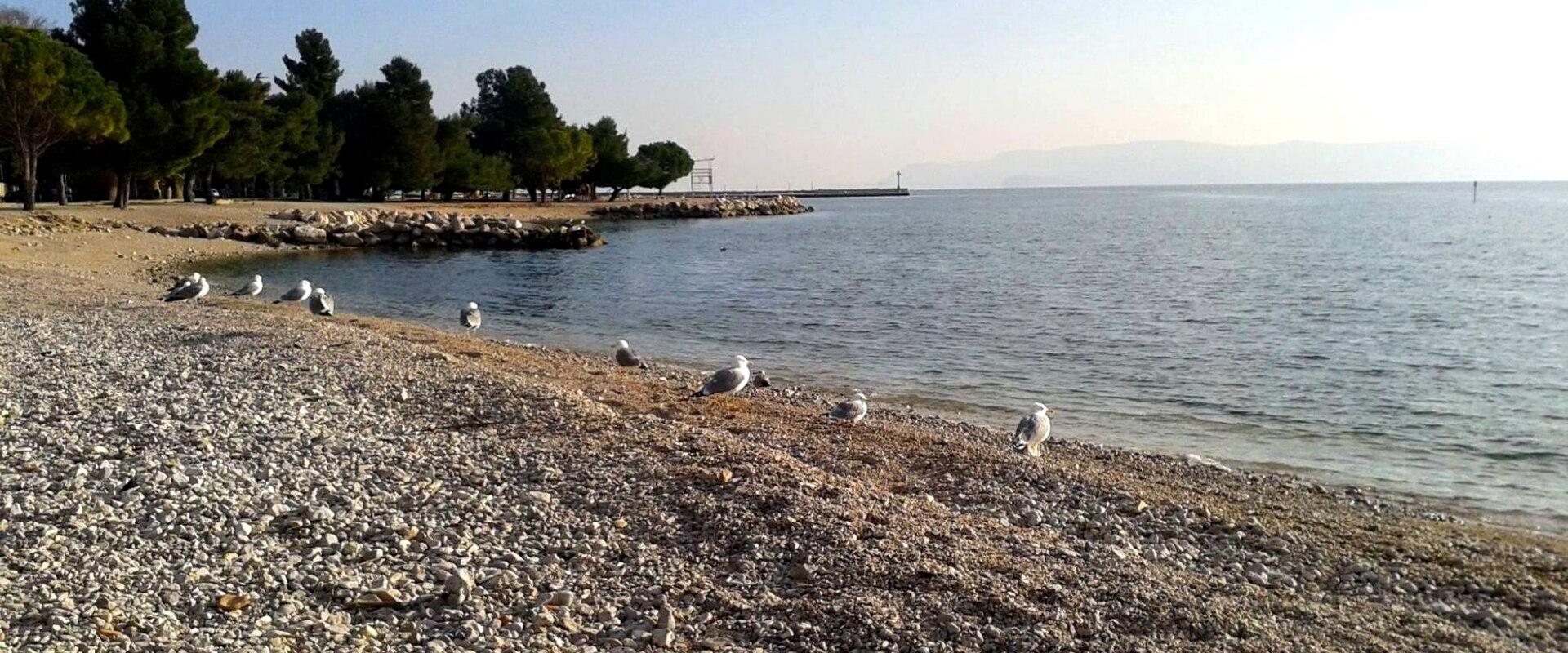
Crikvenica’s history dates back to Roman times, but it flourished as a seaside resort in the Austro-Hungarian era, when grand hotels, villas and parks were built to accommodate the growing number of visitors. A Pauline monastery had been founded here in the Middle Ages by the Frankopan family, and the town grew around it, but the real change came when doctors began to recommend the mild climate and the warm, shallow bay for health cures. The Hotel Kvarner Palace, with its long history, is a prominent landmark of that period. Today the town keeps its elegant charm, with tree-lined promenades, historic buildings and a lively waterfront. The main beach, Crikvenica Beach, is a Blue Flag-awarded stretch of sand and pebbles with shallow, clear water that suits swimming, sunbathing and water sports. Monty’s Dog Beach & Bar, a pet-friendly beach, is a favorite with visitors who travel with dogs.
The town’s promenade, known as the Lungomare, stretches for several kilometers along the coast, connecting Crikvenica with neighboring Selce and Dramalj. The path is lined with cafes, ice cream parlors and souvenir shops, and it offers wide views of the sea and the nearby islands. The Love Path, known as Ljubavna Cesta, is a scenic walking trail of about eight kilometers that winds through pine woods and gives panoramic views of the Kvarner Bay. Both are easy and suited to families, and in the evening they fill with strollers.
Cultural highlights in Crikvenica include the Town Museum, which shows the area’s history and maritime heritage, the Church of the Assumption of the Blessed Virgin Mary, a good example of local architecture, and the Church of St. Anthony of Padua. The town’s calendar is filled with summer festivals, open-air concerts and food events that celebrate local cuisine, music and traditions. The Crikvenica Aquarium is a popular attraction for families, with a variety of Adriatic and tropical fish.
Outdoor activities abound in and around Crikvenica. Visitors can enjoy cycling, hiking, sailing, diving and fishing, or take boat trips to the islands of Krk and Rab. The nearby Vinodol Valley, with its small villages and vineyards, is good for walks and tastings of Žlahtina and other local wines, and the Biserujka Cave, on the island of Krk, offers another excursion. Wellness centers and spas provide relaxation and health treatments, which makes Crikvenica a favorite destination for wellness tourism, and the long tradition of cures is still visible in the town’s therapeutic hotels.
Local food is built around fish and shellfish from the Kvarner Gulf, including scampi, which are a regional speciality, as well as grilled squid, risotto and homemade pasta. Konobas and restaurants along the promenade serve these dishes, and many have terraces facing the sea.
Getting to Crikvenica is straightforward. The town is accessible by road from Rijeka, Zagreb and other regional centers, with regular bus connections and ample parking near the beaches and town center. Accommodation options range from hotels and resorts to private apartments and campsites, catering to all budgets and preferences.
The best time to visit Crikvenica is from early July to late August, when the weather is hot, the sea is warm and the town’s beaches and events are in full swing. May, June and September offer milder temperatures, fewer crowds and excellent conditions for outdoor activities and sightseeing. Whether you seek relaxation, family fun or seaside adventure, Crikvenica offers a pleasant and authentic Adriatic stay.
Best time to visit
Early July to late August offers hot weather, warm sea, and lively events; May, June, and September are quieter with pleasant temperatures for outdoor activities.
What to see in Crikvenica
Our picks first.
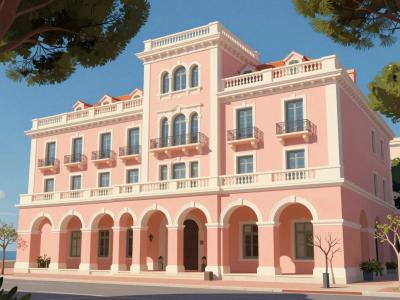
Hotel Kvarner Palace
Belle Époque hotel with seawater pool and beach
Coastal & Maritime · History & Heritage
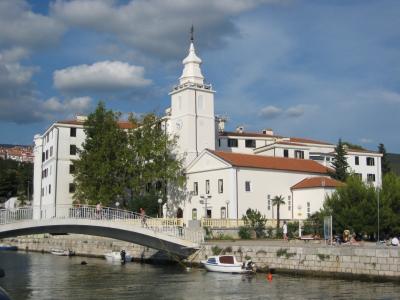
Church of the Assumption of the Blessed Virgin Mary (Crkva Uznesenja Blažene Djevice Marije)
Historic church dedicated to the Virgin Mary in Crikvenica
Cultural Experiences
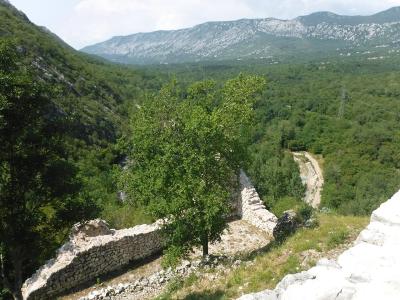
Love Path (Ljubavna cestica)
Scenic 8 km trail with historic forts and views
Free Cultural Experiences
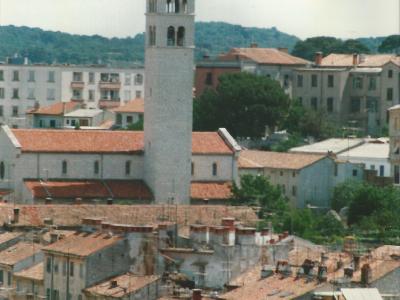
Church of St. Anthony of Padua
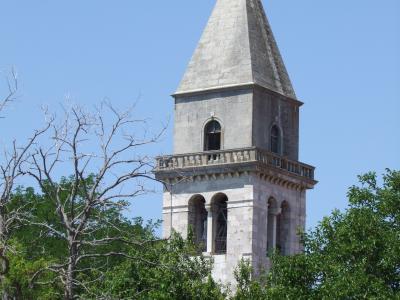
Church of St. Anthony with 35m belfry, Crikvenica
Cultural Experiences · History & Heritage
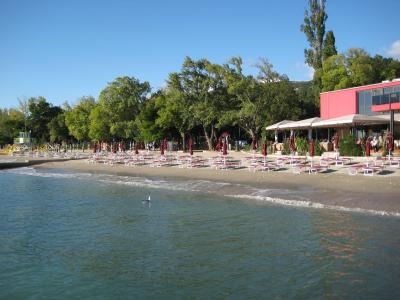
Crikvenica Beach
Clean sandy beach with warm Adriatic waters
Coastal & Maritime · Beaches
Crikvenica by interest
The same sights, grouped by what you came for.
Did you know?
Checked facts about Crikvenica, each with its source.
-
History
Crikvenica Was the Roman Town of Ad Turres
Excavations at the Igralište site next to Crikvenica's football stadium showed that the town was called Ad Turres in antiquity. They uncovered the pottery workshop of Sextus Metilius Maximus, which made amphorae, tableware and building ceramics and is the best preserved of its kind in Croatia.
Source: Crikvenica Riviera Tourist Board
Planning a visit to Crikvenica
Good to know
- Currency
- EUR
- Language
- Croatian
Quick Facts
Book your stay
Questions people ask
More places in Kvarner
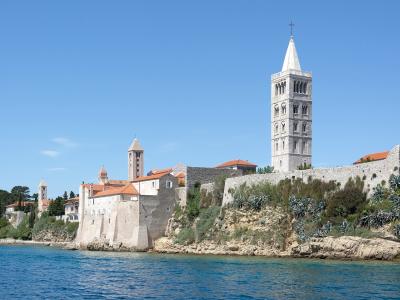
Kvarner
Rab Island
Sandy beaches, medieval towers, and vibrant island life
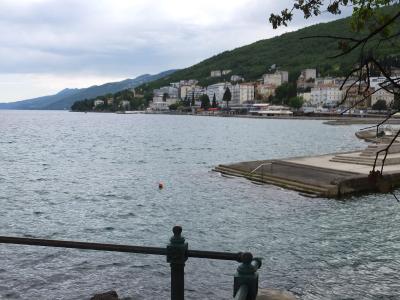
Kvarner
Opatija
Elegant Adriatic resort with historic villas and seaside promenades
Kvarner
Cres Island
Wildlife-rich Adriatic island with ancient hilltop towns
Kvarner
Krk
Largest Croatian island connected to mainland by bridge