







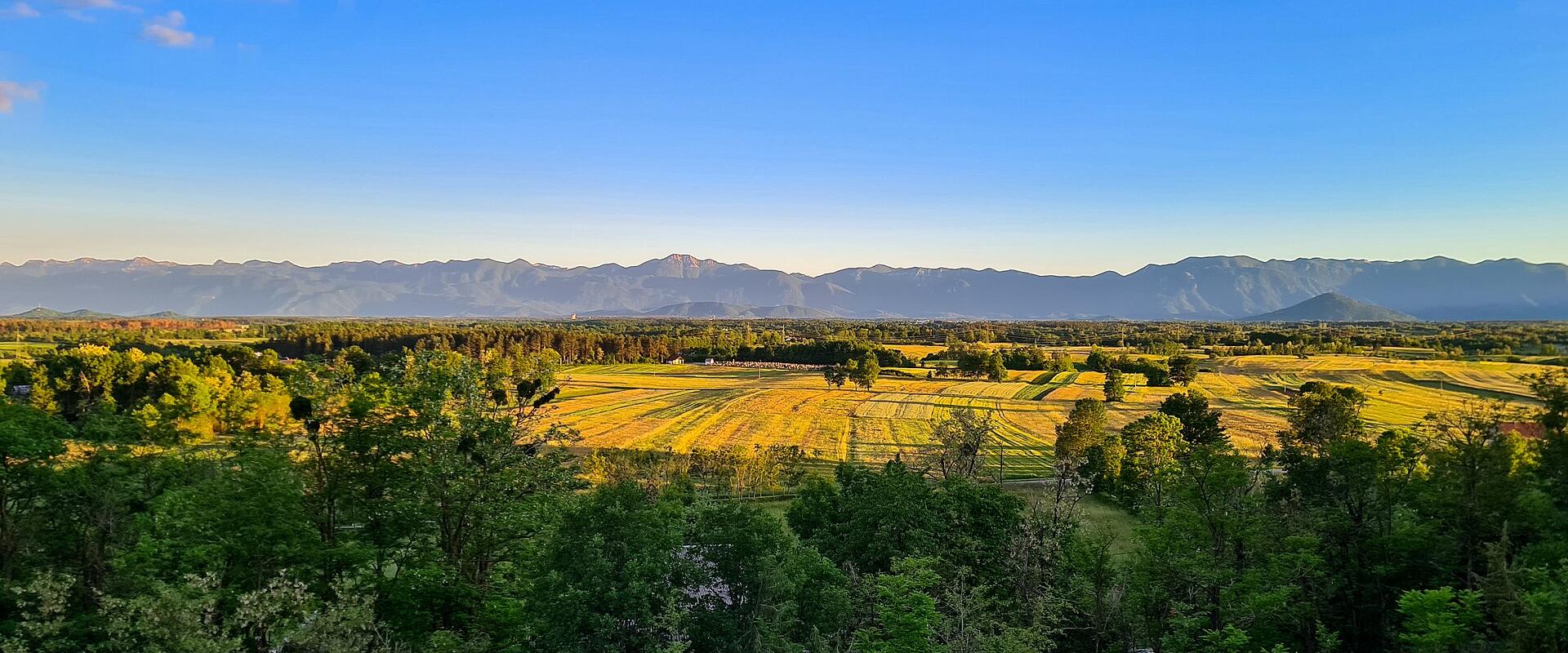
Gospić’s history dates back to the medieval period, when it developed as a fortified settlement and trading post along the Lika River. Over the centuries the town grew under Ottoman and Habsburg rule, becoming a regional center for commerce, culture and administration. Gospić was laid out as a planned town in the 18th and 19th centuries as part of the Habsburg Military Frontier, which explains its regular streets and wide squares. Today the historic core features traditional stone houses, leafy squares and landmarks such as the Church of the Annunciation, also known as the Cathedral of the Blessed Virgin Mary, and the Bishop’s Palace, which reflect its diverse past.
One of Gospić’s most important claims to fame is its connection to Nikola Tesla, the inventor and electrical pioneer. The family moved here from Smiljan when Tesla was a child, and his father served as a priest. The nearby village of Smiljan, Tesla’s birthplace, is home to the Nikola Tesla Memorial Centre, where visitors can see interactive exhibits, the restored family home and outdoor installations that celebrate his legacy. The centre is a must for science enthusiasts and for anyone interested in Croatia’s contributions to global innovation, and it is easy to combine with a walk through Gospić’s own memorials to Tesla.
Gospić is also a gateway to outdoor adventure. The Velebit Mountain, part of the UNESCO-listed Velebit Biosphere Reserve, offers hiking, climbing and wildlife watching in a wild setting. Trails lead to panoramic viewpoints, hidden caves and botanical gardens, while the rivers Lika and Novčica provide chances for kayaking, fishing and riverside picnics. The nearby Northern Velebit and Paklenica national parks are within reach for day trips, with dramatic landscapes and a wealth of flora and fauna. Closer to town, Jasikovac Forest, locally called Park Šuma, is a quiet green space for walking and jogging, and Likos Adrenaline Park, just 500 meters from the center, offers climbing courses and zip lines.
The town’s cultural life is lively, with museums, galleries and community events that celebrate Lika’s traditions, music and cuisine. The local museum covers the history of the region, with ethnographic and archaeological collections, and the memorials to the Croatian past are numerous. Restaurants serve hearty dishes such as lamb, potatoes, homemade cheese and pastries, best enjoyed in rustic settings or at seasonal festivals. The region’s rural charm is further enhanced by family-run guesthouses, mountain lodges and agritourism estates that offer a warm welcome to visitors.
Practical matters are easy. Gospić is the largest town in Lika and has supermarkets, banks, a bus station and a hospital, which makes it a good place to stock up before heading into the mountains. The altitude, about 560 meters, means that evenings are cool even in summer, and a light jacket is useful.
Getting to Gospić is straightforward. The town is accessible by road from Zagreb, Zadar and the Adriatic coast, with well-maintained highways and regular bus connections. Accommodation options range from hotels and guesthouses to rural lodges and private apartments, many with views of the surrounding mountains and rivers.
The best time to visit Gospić is from mid-June to early September, when the weather is warm, the rivers are full and outdoor activities are at their best. Spring and early autumn offer mild temperatures, fewer crowds and beautiful scenery, suited to hiking, sightseeing and exploring the region’s natural wonders. Whether you seek adventure, history or a peaceful retreat, Gospić offers a rewarding and authentic Croatian experience.
Best time to visit
Mid-June to early September offers warm weather, full rivers, and ideal conditions for hiking, sightseeing, and exploring Velebit and Lika’s natural wonders.
What to see in Gospić
Our picks first.

Likos Adrenaline Park
Adventure park with zipline and climbing rock
Activities & Adventure · Adventure Parks
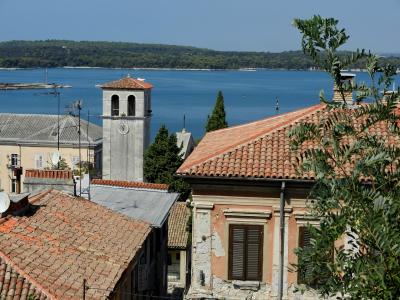
Cathedral of the Blessed Virgin Mary
Baroque cathedral, rebuilt after 1991 war damage
Cultural Experiences · History & Heritage

Jasikovac Forest
Year-round forest park near Velebit mountains
Activities & Adventure · Natural Wonders
Gospić by interest
The same sights, grouped by what you came for.
Did you know?
Checked facts about Gospić, each with its source.
-
History
Gospić Held Out Under Heavy Shelling in 1991
On 19 November 1991, at least 2,000 shells fell on Gospić in a single day of attacks by the Yugoslav People's Army and Serb forces. The town's defenders held their positions, and Gospić never fell during the Croatian War of Independence.
Source: Novi list
Planning a visit to Gospić
Itineraries that include Gospić
Good to know
- Currency
- EUR
- Language
- Croatian
Quick Facts
Book your stay
Questions people ask
More places in Lika
Lika
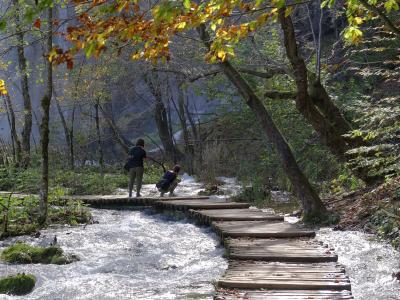
Plitvice Lakes National Park
UNESCO park with turquoise lakes, waterfalls, and wooden trails
Lika
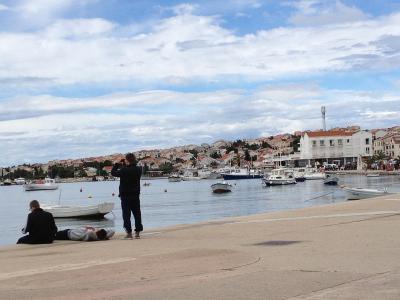
Novalja
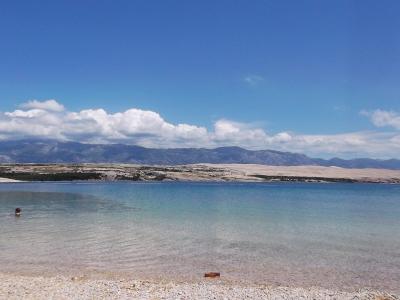
Pag Island’s party town with beaches, nightlife, and lunar landscapes
Lika
Zrće
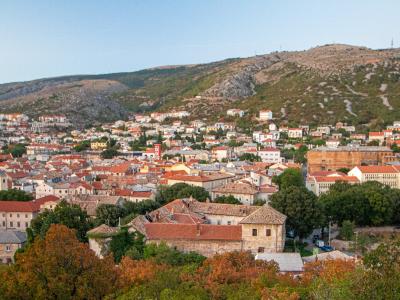
Pag Island’s legendary party beach with clubs and water sports
Lika
Senj
Adriatic fortress town with mountain views and pebble beaches