








Kneževi Vinogradi
Baranja wine village with castles, cellars, and multicultural charm
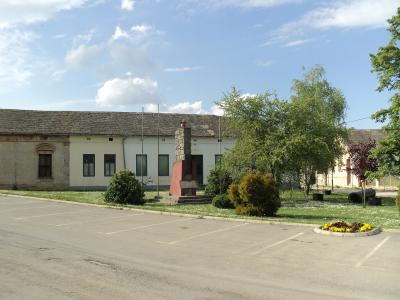
Kneževi Vinogradi’s history is deeply rooted in the agricultural traditions of Baranja, a region shaped by centuries of migration, trade and cultural exchange. The village’s name, meaning 'Prince’s Vineyards,' reflects its long-standing reputation as a center for winemaking and viticulture, and the village later became part of the great Belje estate, which Prince Eugene of Savoy received in 1697. Over the years the area has been home to Croats, Hungarians, Serbs and Germans, whose influences are visible in local customs, cuisine and architecture. After the changes of the 20th century, the German population largely left, but the mixed character of the village remained.
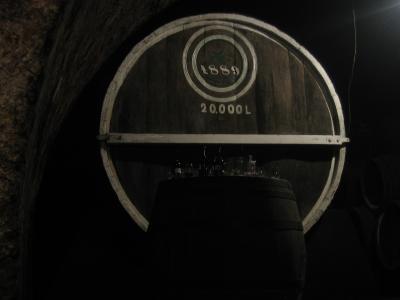
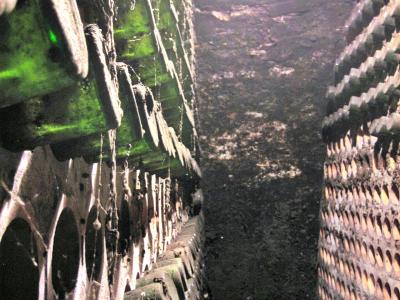
The main attractions in Kneževi Vinogradi are its vineyards, wine cellars and historic sites. The Baranja Wine Road passes through the village, connecting dozens of wineries and traditional gator cellars carved into the hillsides. Visitors can tour cellars, sample Graševina, Frankovka and Kadarka wines and enjoy hearty Baranja cuisine in rustic taverns. The Centennial Wine Cellars, some of them more than a hundred years old, are a highlight, with long brick-lined corridors and large oak barrels. The Banovo Brdo vineyards, on a hill above the village, show centuries of viticulture, and a walk among the vines in late summer, when the grapes are ripe, is a pleasure. The annual wine festivals and harvest celebrations fill the calendar with music, food and conviviality, which makes Kneževi Vinogradi a favorite for food and wine enthusiasts.
Kneževo Castle, a historic manor surrounded by parkland, is a highlight for history lovers and photographers. The village is also home to the Baranyai Julia Ethno Museum, which shows the region’s multicultural heritage through exhibits on folk costumes, crafts and daily life, in a house that belonged to a local family. The Eco Center Golden Beam and Vidikovac Vina Belje offer educational programs, wide views and chances for wildlife observation. The viewpoint, on the slopes of the vineyards, looks over the whole plain toward the Danube and the Hungarian border.
Outdoor activities abound in the surrounding countryside. Cycling and hiking trails wind through vineyards and forests and along the Drava and Danube rivers, offering scenic routes for all levels. The closeness of Kopački Rit Nature Park, one of Europe’s largest wetlands, provides chances for birdwatching, boat tours and eco-tourism. The area’s changing seasons bring wildflowers in spring, lush greenery in summer and colorful foliage in autumn. Vineyard routes are marked with signs, and many cellars have terraces with views.
Cultural life in Kneževi Vinogradi is vibrant, with festivals, concerts and community events that celebrate local traditions, music and gastronomy. Artisans and producers offer handicrafts, honey and preserves, which makes the village a good place to discover the flavors and customs of Baranja. Fish stew cooked over an open fire, paprika sausages and sweet pastries are typical, and meals are generous.
Getting to Kneževi Vinogradi is straightforward. The village is accessible by road from Osijek, about 30 km away, and other regional centers, with public buses connecting it to nearby towns. Accommodation options include guesthouses, rural homestays and small hotels in Kneževi Vinogradi and the surrounding area, providing a comfortable base for exploring Baranja.
The best time to visit Kneževi Vinogradi is from May to June and September, when the weather is pleasant, the vineyards are lush and wine festivals and outdoor activities are in full swing. Spring and early autumn offer mild temperatures and beautiful scenery, suited to wine tasting, hiking and the relaxed pace of village life. Whether you are interested in history, wine or nature, Kneževi Vinogradi offers an authentic and memorable Baranja experience.
Best time to visit
May to June and September offer pleasant weather, lush vineyards, and vibrant festivals; spring and early autumn are ideal for wine tasting and outdoor activities.
What to see in Kneževi Vinogradi
Our picks first.
Kneževi Vinogradi by interest
The same sights, grouped by what you came for.
Did you know?
Checked facts about Kneževi Vinogradi, each with its source.
-
Name Origin
Name Means Prince's Vineyards
The village's name literally means 'The Duke's (or Prince's) Vineyards', from the Croatian knez and vinograd, reflecting the wine produced on the hills north of the village. It was already recorded under this name in a census of 1687.
Source: Flags of the World -
History
Once the Roman Colony of Donatium
Kneževi Vinogradi stands on the site of a Roman colony called Donatium, confirmed by numerous archaeological finds.
Source: Municipality of Kneževi Vinogradi
Planning a visit to Kneževi Vinogradi
Good to know
- Currency
- EUR
- Language
- Croatian
Quick Facts
Book your stay
Questions people ask
More places in Baranja
Baranja
Kopački Rit Nature Park
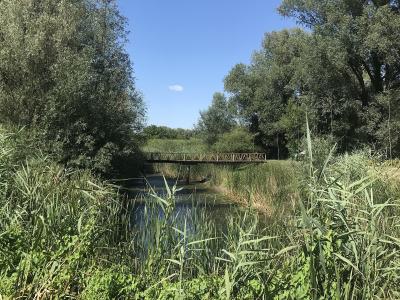
Lowland wetland between the Drava and Danube
Baranja
Baranja
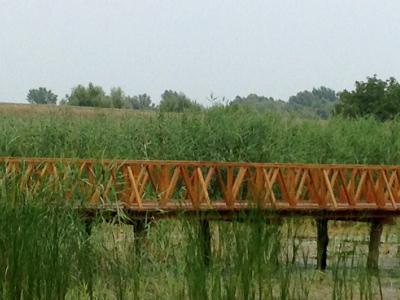
Wine region known for fertile lands and nature
Baranja
Baranja Wine Road
Scenic wine route through Baranja’s vineyards and villages
Baranja
Beli Manastir
Baranja’s main town with multicultural heritage and wine routes