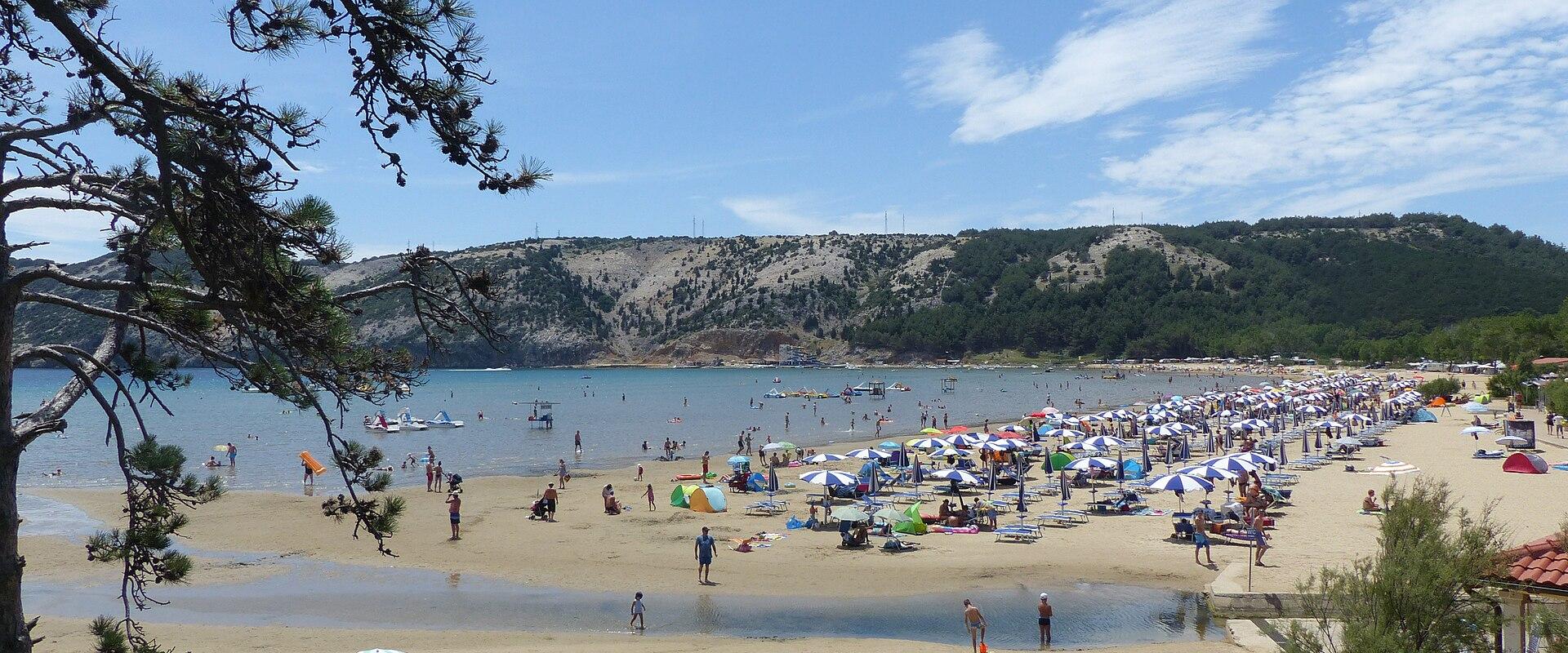
Lopar
Coastal village with rare sandy beaches on the island of Rab
History
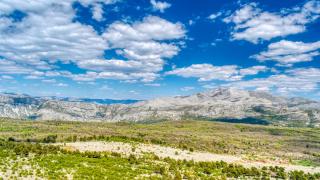
Lopar, located on the northern tip of Rab Island, has a history deeply intertwined with the island’s agricultural and maritime past. For centuries, the area was primarily used for agriculture, with olive groves and vineyards covering the hills. The unique geological formation of the peninsula, characterized by its limestone cliffs and sandy beaches, has attracted human settlement for thousands of years. Archaeological evidence, including artifacts found in the area, suggests that the region has been inhabited since prehistoric times. The name "Lopar" itself is believed to derive from the Italian word "lopa," meaning a steep slope or cliff, reflecting the dramatic landscape that defines the area. Historically, the village served as a quiet fishing and farming community, maintaining a close relationship with the sea and the land. The preservation of this traditional lifestyle, combined with the natural beauty of the landscape, has made Lopar a unique cultural and historical site within the Kvarner region.
Main Attractions
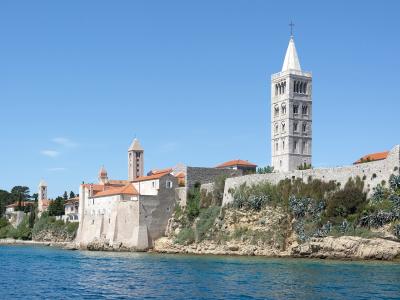
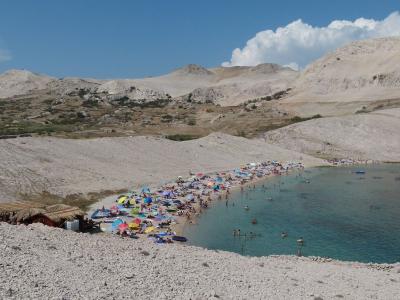
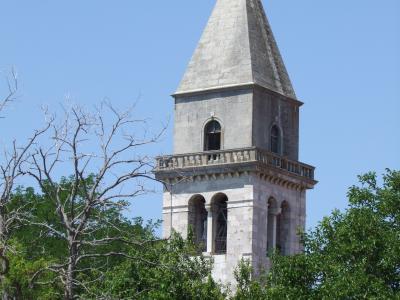
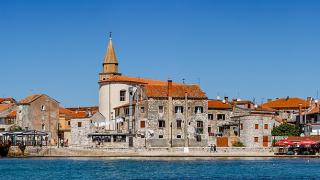
The most distinctive feature of Lopar is its abundance of sandy beaches, a rarity in the Adriatic. The village boasts over 20 sandy beaches, with Lopar Beach and Sahara Beach being the most popular. These beaches offer soft, golden sand and clear, shallow waters, making them ideal for families and those seeking a comfortable swimming experience. Beyond the beaches, the area is designated as a Geopark, highlighting its significant geological and archaeological value. The Lopar Geological Garden offers guided tours that explore the unique geomorphologic forms and rare vegetation of the peninsula. Visitors can also explore archaeological sites such as Podšilo, where a partially preserved Roman ceramic kiln was discovered in 2009, along with remnants of ancient walls and household ceramics. The Gromačica Necropolis, another key site, has yielded numerous artifacts from the Illyrian and Roman periods, providing insight into the region’s ancient history. The historic center of Lopar features traditional stone houses and small chapels, reflecting the village’s enduring maritime heritage.
Activities
Lopar offers a variety of activities for visitors. Swimming and sunbathing are the primary draws, with the sandy beaches providing a comfortable and inviting environment. The clear waters are also ideal for snorkeling and diving, allowing visitors to explore the underwater marine life. Hiking and cycling are popular activities, with numerous trails winding through the olive groves, pine forests, and along the coastline. The Geopark offers guided hiking tours that educate visitors about the area’s geological history and unique flora. For those interested in history, exploring the archaeological sites and the historic village center provides a glimpse into the past. The nearby island of Goli Otok, once a notorious prison island, can be visited on boat tours, offering a somber but fascinating historical experience. The village also hosts local festivals and events throughout the year, celebrating the community’s traditions and culture.
Getting There
Lopar is located on the island of Rab, which is connected to the mainland by a bridge near the town of Rab. The most common way to reach Lopar is by driving or taking a bus from the mainland to Rab Town, and then continuing by local bus or taxi to Lopar. Ferries also operate from Rijeka to Rab Town, providing an alternative route for those arriving by sea. Once on the island, Lopar is approximately 10 kilometers from Rab Town, and the journey takes about 15-20 minutes by car or bus. Public transportation is regular and reliable, connecting Lopar to other parts of the island. For those arriving by air, Rijeka Airport is the nearest major airport, located about 30 kilometers from Rab Town. Car rentals are available in Rab Town and other major towns, offering flexibility for exploring the island.
Best Time to Visit
The best time to visit Lopar is during the late spring and early autumn months, from May to June and September to October. During these periods, the weather is warm and sunny, with average temperatures ranging from 20°C to 25°C, ideal for swimming and outdoor activities. The sea is warm enough for swimming, and the crowds are smaller compared to the peak summer months of July and August. Summer offers the warmest weather and the most vibrant atmosphere, but it also brings larger crowds and higher prices. Winter is mild but wet, with some services reduced or closed, making it suitable only for those seeking a quiet retreat. The shoulder seasons offer the best balance of good weather, fewer crowds, and lower accommodation costs, allowing visitors to fully appreciate the natural beauty and historical significance of Lopar.
Best Time to Visit
May to October for warm, sunny weather ideal for swimming and outdoor activities.
Plan Your Visit to Lopar
Essential travel tips and information for your trip to Lopar.
Suggested Itineraries
Travel Tips
Currency
EUR • Cards widely accepted
Language
Croatian • English in tourist areas
WiFi
Free WiFi in cafes and hotels
Explore Lopar by Interest
Discover attractions and experiences in Lopar organized by your interests and travel preferences.
All attractions in Lopar
Sorted by our recommendation score
Quick Facts
Book your stay
Frequently Asked Questions
More destinations in Kvarner
Explore other amazing places in the Kvarner region