







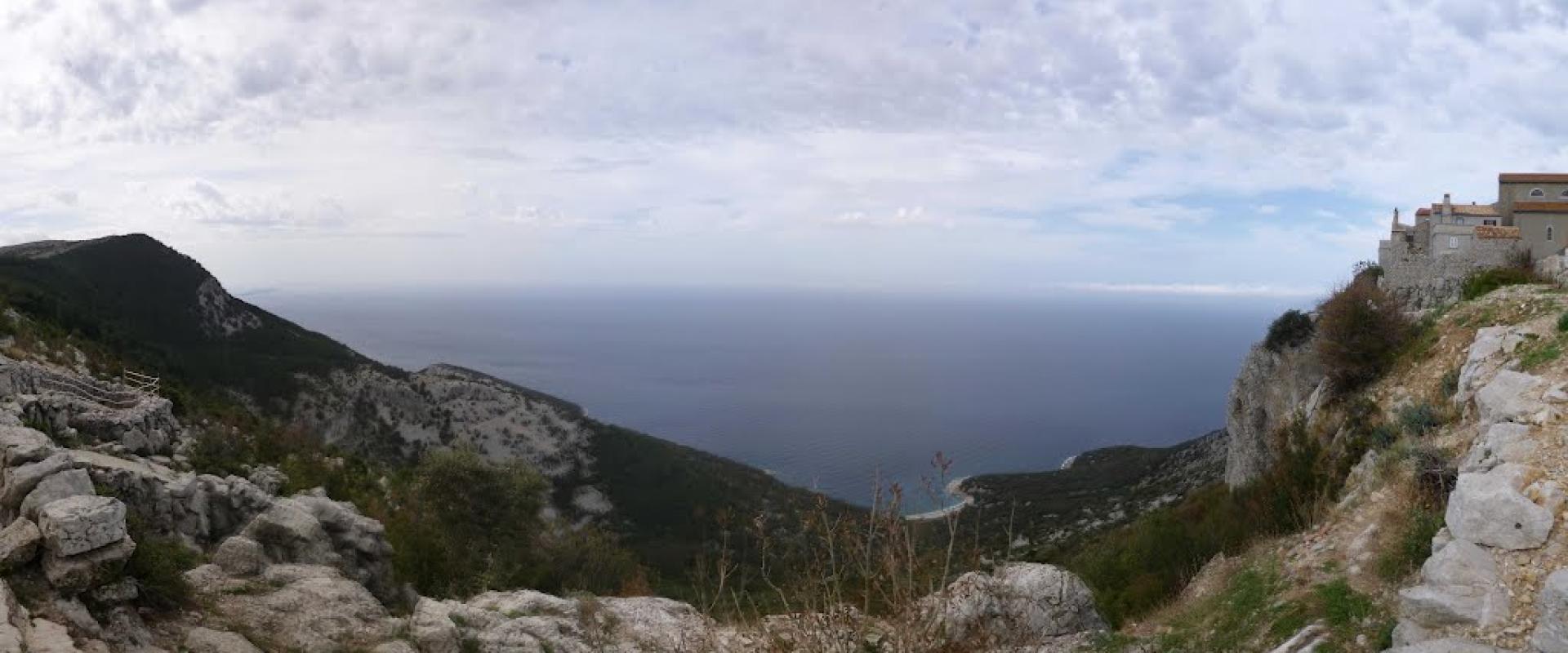
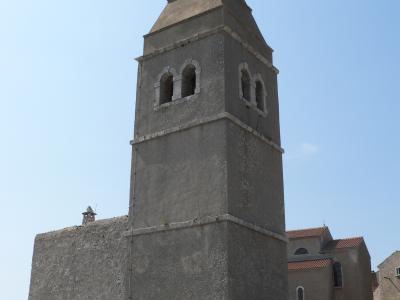
Lubenice’s history is as dramatic as its location. Founded as a fortified settlement in prehistoric times, the village has served as a refuge and lookout for millennia, with its clifftop position protecting it from invaders and pirates. Over the centuries Lubenice grew into a small but busy community, with stone houses clustered around the main square and the Church of the Blessed Virgin Mary, which dates to the 15th century. At its peak the village had several hundred people, who farmed terraces and kept sheep on the plateau. Today the population has shrunk to just a handful of residents, but its spirit endures in its architecture, traditions and the stories told by locals. Some of the houses have been restored by newcomers and artists, who have given the village a new, modest life.
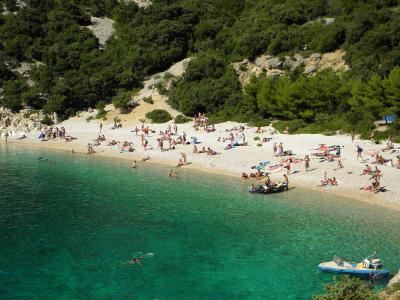
The main attraction in Lubenice is the panoramic viewpoint, which offers one of the most spectacular views in the Adriatic. From the edge of the cliff, visitors can look down at the turquoise water and the secluded Sveti Ivan Beach, often ranked among Croatia’s most beautiful. The path to the beach is a challenging hike, steep and rocky, and it takes some time, but the reward is a pristine pebble cove with clear water suited to swimming and snorkeling. Visitors should carry water and wear sturdy shoes, since there is almost no shade and no shop on the beach. The village itself is a delight to explore, with its labyrinth of alleys, old churches and the remains of medieval fortifications. The Lubenice Summer Music Evenings, held in the church and open-air venues, attract classical musicians and audiences from across the region, and tickets are worth booking ahead.
Nature lovers will find plenty to enjoy in the surrounding countryside. Hiking trails wind through olive groves, Mediterranean scrub and rocky outcrops, with encounters with Cres’s unusual flora and fauna, including griffon vultures that nest on the island’s cliffs. The island has a conservation program for these large birds, and their gliding shapes are a common sight above the sea. The area is also rich in legends and folklore, with local guides sharing tales of pirates, saints and the village’s long past. Day trips to the nearby towns of Cres and Valun, or boat excursions along the coast, provide additional opportunities for exploration. Valun, a small fishing harbor, is known for a medieval stone tablet written in the Glagolitic script, and it makes a good lunch stop.
Practical matters need some planning. Lubenice has no large shops, and the few places to eat and sleep are small, so it is wise to bring supplies and book rooms in advance. The village is often visited as a half-day trip from Cres or from the ferry port of Porozina, and the late afternoon, when the sun lights the western cliff, is the best time to be there.
Getting to Lubenice requires a scenic drive along winding island roads from the town of Cres, with parking available at the edge of the village. The historic center is pedestrian-only, preserving its tranquil atmosphere. Accommodation options are limited to a few guesthouses and private apartments, so advance booking is advisable in summer.
The best time to visit Lubenice is from late June to early September, when the weather is warm, the sea is inviting and the music festival brings the village to life. Spring and early autumn offer mild temperatures, fewer visitors and beautiful scenery, suited to hiking and quiet contemplation. Whether you seek wide views, hidden beaches or a journey into Croatia’s ancient past, Lubenice offers a memorable and unhurried stop on Cres.
Best time to visit
Late June to early September offers warm weather, inviting sea, and lively music festivals; spring and early autumn are ideal for hiking and peaceful exploration.
What to see in Lubenice
Our picks first.
Lubenice by interest
The same sights, grouped by what you came for.
Did you know?
Checked facts about Lubenice, each with its source.
-
History
Village Built on Roman Hibernicia, 4,000 Years Old
Lubenice is widely believed to be over 4,000 years old. It stands on a prehistoric hillfort that became the Roman settlement of Hibernicia, perched about 378 metres above the sea.
Source: Total Croatia News; Roman phase: visitcres.hr
Planning a visit to Lubenice
Good to know
- Currency
- EUR
- Language
- Croatian
Quick Facts
Book your stay
Questions people ask
More places in Kvarner
Kvarner
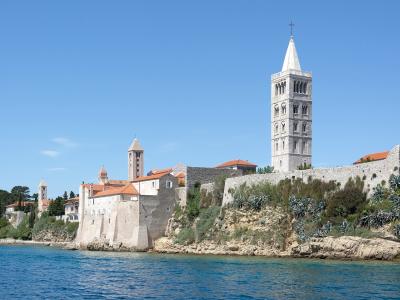
Rab Island
Sandy beaches, medieval towers, and vibrant island life
Kvarner
Opatija
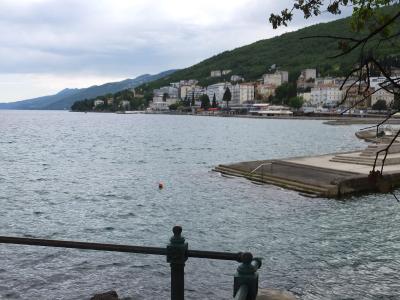
Elegant Adriatic resort with historic villas and seaside promenades
Kvarner
Cres Island
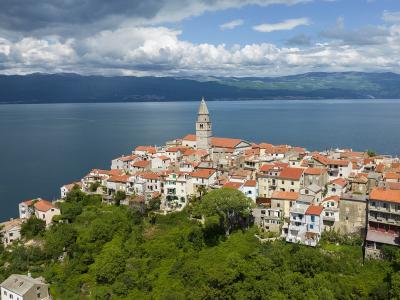
Wildlife-rich Adriatic island with ancient hilltop towns
Kvarner
Krk
Largest Croatian island connected to mainland by bridge