







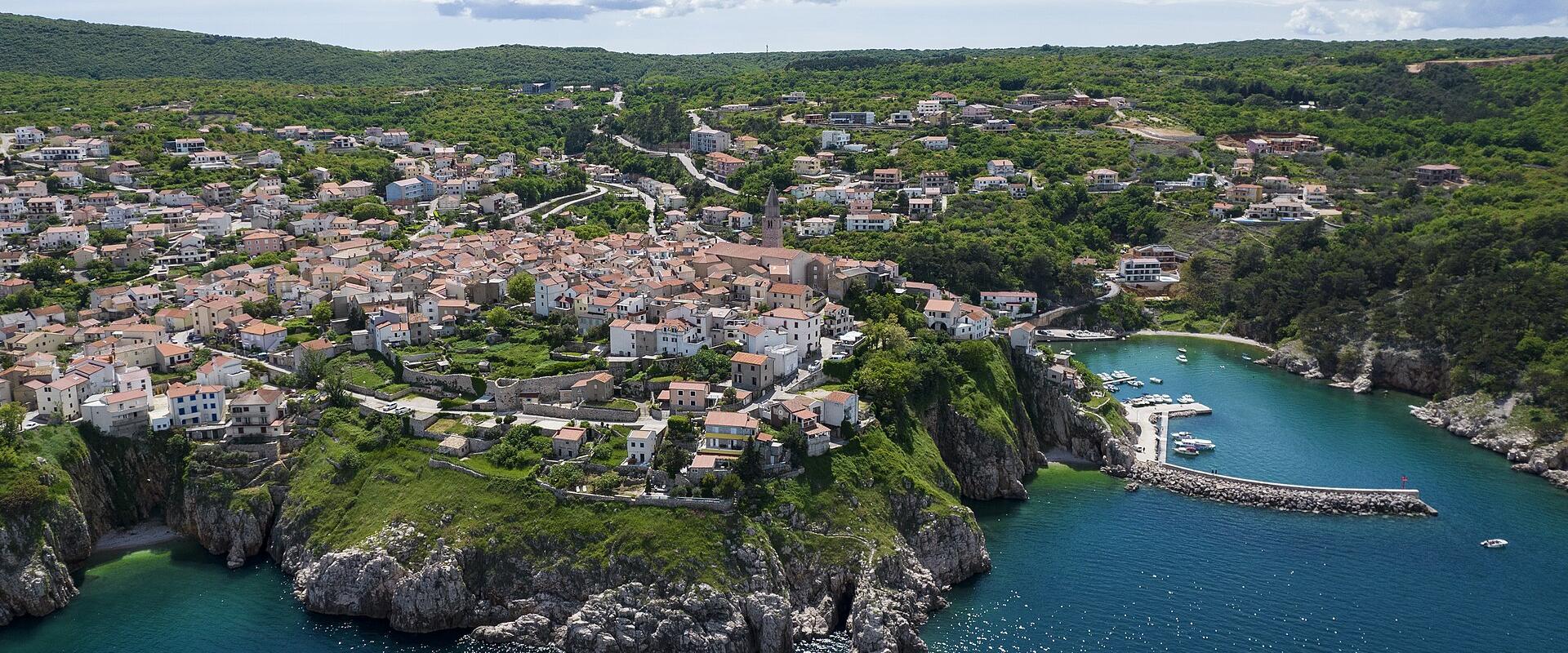
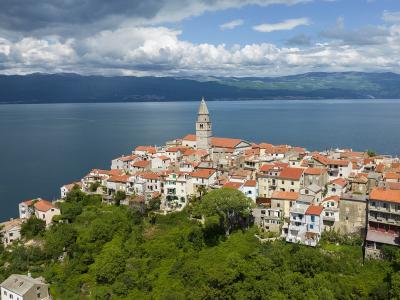
Vrbnik’s history stretches back to the 12th century, when it was founded as a fortified settlement atop a steep cliff overlooking the Adriatic. The town’s strategic location made it a center of Glagolitic literacy and a stronghold of the Frankopan noble family, whose influence is still visible in the town’s architecture and traditions. The Vrbnik Statute of 1388, written in Croatian in the Glagolitic script, is one of the key documents of the island, and the town had a school where priests were taught Glagolitic until the 19th century. Over the centuries Vrbnik has preserved its medieval character, with stone houses, arched passageways and a network of winding alleys that invite exploration. The compact plan, set on a rock with walls on three sides, gave the town natural defenses.
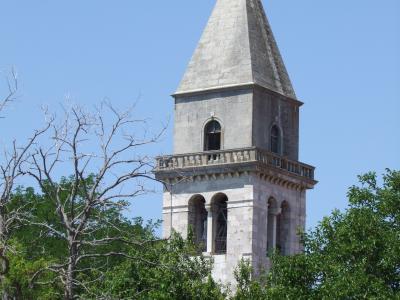
The center of Vrbnik is its charming old town, where visitors can wander through cobbled streets, discover hidden courtyards and enjoy the historic landmarks. The Parish Church of St. John the Baptist, with its distinctive bell tower, dominates the skyline and offers panoramic views of the sea and vineyards. The town is also home to the world’s narrowest street, Klančić, just 43 centimeters wide, a quirky attraction that delights visitors of all ages, and a gentle squeeze is part of the fun. The cliff-edge terrace, at the end of the town, gives a wide view over the bay and the coast of the mainland.
Vrbnik is synonymous with wine, particularly the Žlahtina grape, which thrives in the limestone-rich soil of the surrounding hills and in the fertile Vrbnik field. Local wineries such as Kuća Vina Ivan Katunar and others offer tastings and tours, where guests can sample Žlahtina and other regional varieties, accompanied by homemade cheeses, prosciutto and olive oil. The Hotel Vinotel Gospoja combines a small hotel and a wine cellar in a restored house, and its restaurant serves dishes made with local products. Wine festivals and harvest celebrations fill the calendar, which makes Vrbnik a favorite for food and wine lovers. The wine is light, dry and slightly mineral, and it goes well with fish and with the pasta of the island.
The town’s dramatic cliffs give way to a series of secluded beaches and coves, accessible by foot or boat. Popular spots include Zgribnica Beach and the hidden pebble beach below the old town, good for swimming, snorkeling and sunbathing, and Potovošće, a bay just outside the town, is well loved by locals. Vajavina Beach, reached by a long stairway of about 100 steps, is a quiet and beautiful cove, and the climb back is part of the experience. Boat trips from Vrbnik’s small harbor explore the coastline and nearby islands, while hiking and cycling trails wind through vineyards and olive groves, offering wide views and peaceful escapes.
Cultural life in Vrbnik is lively, with art galleries, music events and traditional festivals that celebrate the town’s heritage. Local restaurants and konobas serve fresh seafood, lamb and Istrian-inspired dishes, best enjoyed with a glass of Žlahtina and a view of the sunset over the sea. The island’s pasta, šurlice, with a meat or fish sauce, is a regional specialty.
Getting to Vrbnik is straightforward. The town is about 27 km by road from the Krk Bridge, which connects the island to the mainland, and is easily reached by car or bus from Rijeka and other regional centers. Parking is available at the edge of the old town, which is best explored on foot. Accommodation options include boutique hotels, guesthouses and private apartments, many with sea views and traditional decor.
The best time to visit Vrbnik is from May to September, when the weather is warm, the vineyards are lush and the beaches and festivals are in full swing. July and August are the busiest months, with lively events and busy streets, while late spring and early autumn offer milder temperatures and a more relaxed atmosphere. Whether you are drawn by history, wine or the dramatic coastal scenery, Vrbnik offers a memorable and authentic island stay.
Best time to visit
May to September offers warm weather, lush vineyards, and lively festivals; late spring and early autumn are quieter with pleasant temperatures for sightseeing.
What to see in Vrbnik
Our picks first.
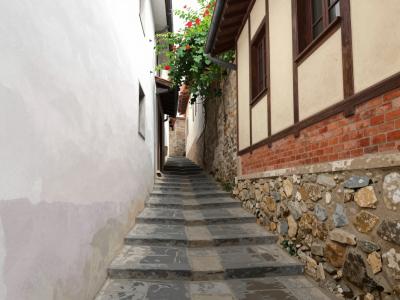
The Narrowest Street in the World (Ulica Klančić)
World’s narrowest street, 43 cm wide
Cultural Experiences · History & Heritage
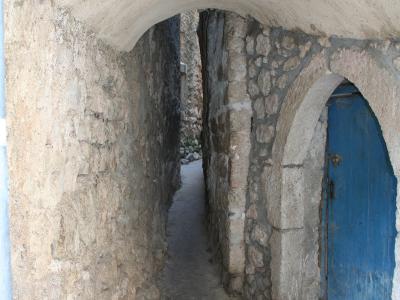
Klančić Alley
World’s narrowest street, 43 cm wide
Urban Exploration · Historic Districts
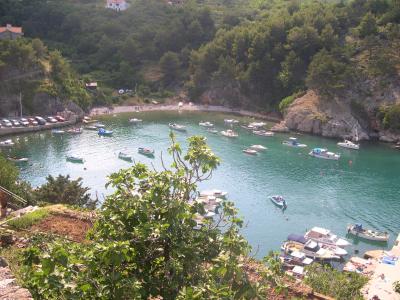
Vrbnik Beaches
Cliffside beaches with Adriatic sea views
Activities & Adventure · Coastal & Maritime
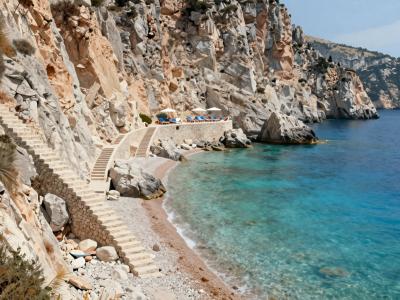
Vajavina Beach - 100 Stairs
Secluded beach reached by 100 stairs in Vrbnik
Activities & Adventure · Coastal & Maritime
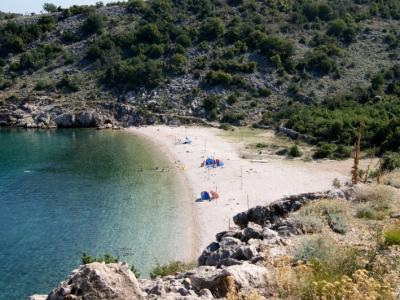
Potovošće
Pebble beach with sunbed rentals in Vrbnik
Cultural Experiences
Vrbnik by interest
The same sights, grouped by what you came for.
Planning a visit to Vrbnik
Good to know
- Currency
- EUR
- Language
- Croatian
Quick Facts
Book your stay
Questions people ask
More places in Kvarner
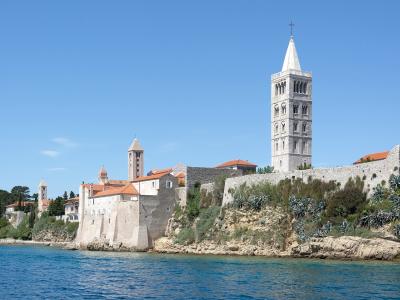
Kvarner
Rab Island
Sandy beaches, medieval towers, and vibrant island life
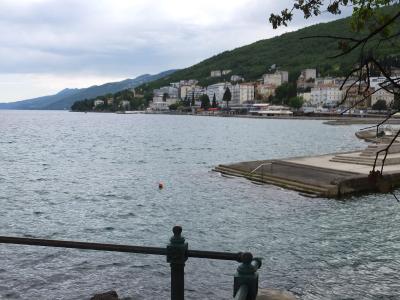
Kvarner
Opatija
Elegant Adriatic resort with historic villas and seaside promenades
Kvarner
Cres Island
Wildlife-rich Adriatic island with ancient hilltop towns
Kvarner
Krk
Largest Croatian island connected to mainland by bridge