
Discovering Donja Stubica

One-day general tour of Donja Stubica

1 day Easy difficulty Est. €40

Day 1: Heritage and Nature in Donja Stubica

A comprehensive one-day exploration of Donja Stubica, focusing on its rich history of the Peasants' Revolt, traditional Zagorje architecture, and serene natural landmarks.

  • 09:00

    Museum of the Peasants' Revolt

    Start your day at the Museum of the Peasants' Revolt (Muzej seljačkih buna). Explore the history of the 1573 uprising, one of the largest peasant revolts in European history, and view artifacts related to the region's turbulent past.

  • 10:30

    Gupčeva Lipa

    Visit the Gupčeva lipa, a majestic 400-year-old linden tree. This historic tree is a living witness to the Peasants' Revolt and serves as a solemn memorial site in the town center.

  • 11:30

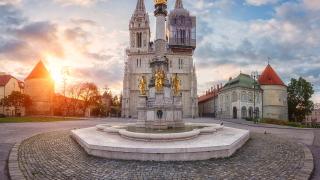
    Historical Churches and Cathedrals

    Explore the local historic churches that showcase Donja Stubica’s architectural heritage. Admire the religious art and the peaceful atmosphere of these centuries-old structures.

  • 12:30

    Traditional Zagorje Lunch

    Enjoy a hearty lunch at a local konoba (tavern) featuring regional specialties such as štrukli, stuffed cabbage, or local wines.

  • 14:00

    Zagorska Hiža Traditional House

    Visit the Zagorska Hiža, a preserved traditional house that offers insight into the daily life and domestic architecture of the Zagorje region. Learn about the customs and lifestyle of the local people.

  • 15:30

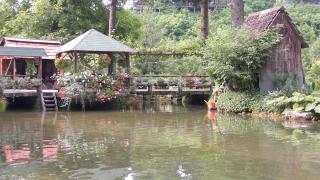
    Majsec's Mill

    Walk to Majsec's Mill, a restored early 20th-century watermill. See the traditional milling mechanisms in action and learn about the historical importance of water power in the area.

  • 16:30

    Grad Labirinata (Labyrinth City)

    Spend some time at Grad Labirinata, which features nine symbolic labyrinths designed for calm and renewal. Take a leisurely walk through the paths to reflect on the day's history.

  • 17:30

    Wooden Crucifix

    Visit the historic wooden crucifix landmark. This intricate piece of craftsmanship is a significant cultural symbol in Donja Stubica and offers a moment of quiet contemplation.

  • 18:30

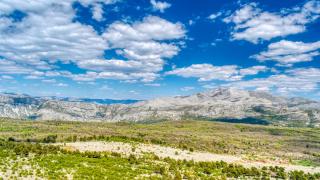
    View of Donja Stubica

    End your day with a scenic view of Donja Stubica nestled in the Krapina-Zagorje hills. Enjoy the sunset over the rolling countryside and capture the beauty of the region.

Meals: Lunch at Local Konoba in Donja Stubica , Snack at Café near Grad Labirinata

Where to stay: For a one-day trip, no overnight stay is required. However, if extending the trip, consider staying in a rural tourism farm (agroturizam) in the surrounding Krapina-Zagorje county.

Getting around: A car is highly recommended for flexibility. Donja Stubica is small, and most attractions are within a 5-10 minute drive of each other. Walking is feasible for the town center attractions.

Practical Information

Donja Stubica, located in the Krapina-Zagorje County of northern Croatia, is best visited between May and October. During these months, the weather is mild and suitable for outdoor exploration, with average temperatures ranging from 15°C to 25°C. Summer can be warm, so hydration is essential, while spring and autumn offer cooler conditions ideal for hiking and wine tasting. Winter visits are possible but limited by colder temperatures and potential snow, which may restrict access to certain rural trails. Reaching Donja Stubica is straightforward via public transport or car. The town is approximately 40 kilometers north of Zagreb, the capital. Regular buses operate from Zagreb’s main bus station (Maksimir or Jarun) to Donja Stubica, with a travel time of roughly one hour. Driving is the most flexible option, taking about 30–40 minutes via the A2 highway. Once in Donja Stubica, the town is compact and walkable. For exploring surrounding villages, vineyards, and the nearby Krapina Neanderthal Museum, renting a car or using local taxis is recommended, as public transport within the county is infrequent. Accommodation options in Donja Stubica are limited compared to major tourist hubs. Travelers often choose to stay in Zagreb for a wider range of hotels and hostels, visiting Donja Stubica as a day trip. Alternatively, rural guesthouses and agritourism farms in the surrounding Krapina-Zagorje region offer authentic experiences, often including homemade meals. These accommodations provide a quieter, more immersive stay but require advance booking, especially during peak summer months. Budget-wise, Donja Stubica is generally affordable. Meals at local konobas (taverns) are reasonably priced, with main courses costing between €10 and €15. Entrance fees to attractions like the Stubica Smokovac Wine Cellar or the Krapina Neanderthal Museum are modest. However, costs can add up if you rely on taxis or dine in tourist-centric areas. Always carry cash, as smaller establishments may not accept cards. Pack comfortable walking shoes, as terrain can be uneven in rural areas. Bring layers, as weather can change rapidly in the hilly regions. A reusable water bottle and sunscreen are essential for summer visits. For cultural respect, dress modestly when visiting churches or local homes. Finally, learn a few basic Croatian phrases; while English is spoken in tourist areas, locals appreciate efforts to communicate in their language. Always check opening hours for attractions in advance, as they may vary by season.

Book your stay

More Itineraries