







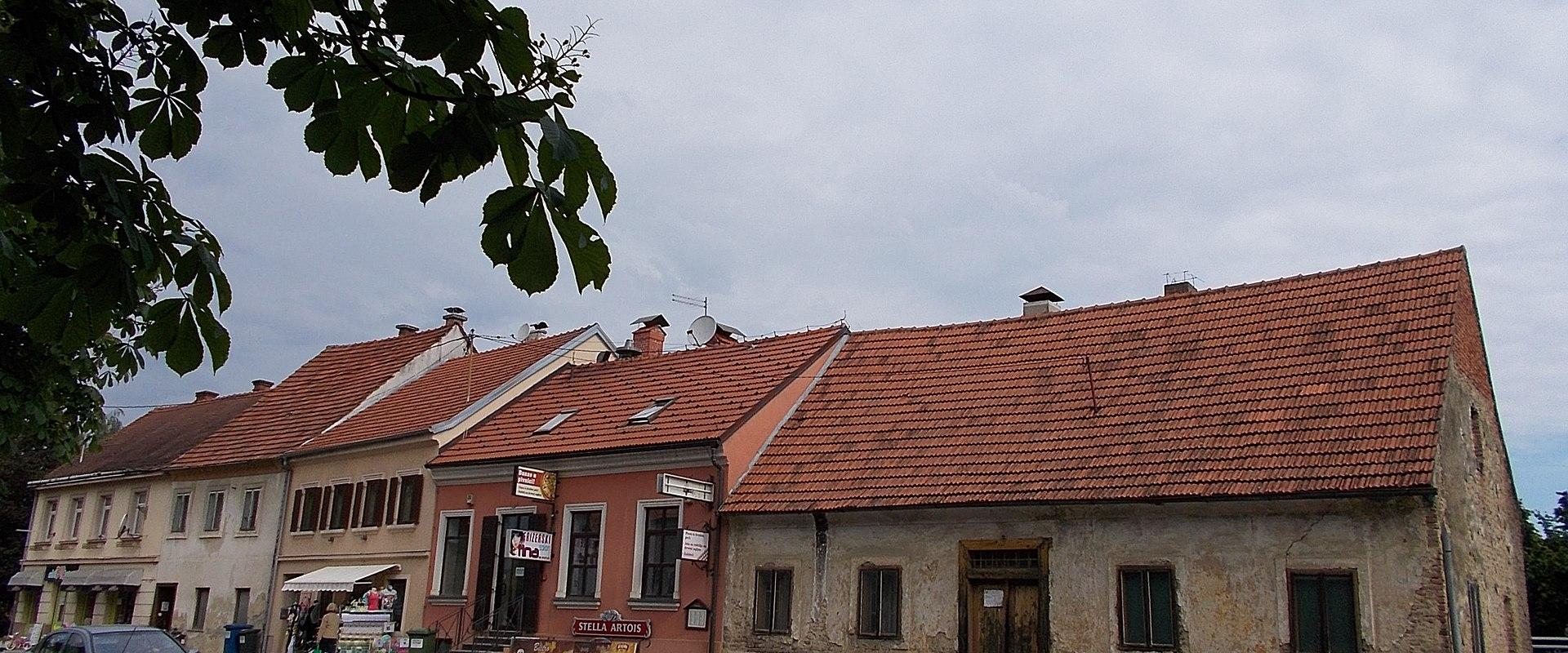
Donja Stubica’s history is deeply intertwined with the story of the Croatian Peasants’ Revolt of 1573, a landmark event in the region’s struggle for social justice. The uprising, led by Matija Gubec against a harsh landlord, was crushed within weeks, but its memory became part of national identity. The town is home to monuments that commemorate the revolt, including the statue of Matija Gubec, and the nearby Gubec Linden in Gornja Stubica and the Museum of the Peasants’ Revolt can be reached in a few minutes by car. Each year a historical reenactment draws visitors from across Croatia to see costumed performances, folk music and traditional crafts.
The main attractions in town include the Parish Church of the Holy Trinity, known as Župa Presvetog Trojstva, a Baroque church that reflects Donja Stubica’s religious and architectural heritage. The Katolička crkva and other historic sites show the long-standing spiritual traditions of the area, and a wooden crucifix by the road is a small symbol of local faith. Parks and leafy squares provide a calm setting for rest and community gatherings. For a slower outing, visitors can walk to Majsec's Mill, a charming glimpse of rural traditions beside a stream, or to the Zagorska Hiža Traditional House, which shows how Zagorje families lived in timber houses. Grad Labirinata, a labyrinth garden, is a distinctive place for reflection and for children who enjoy getting lost.
Donja Stubica is also a gateway to outdoor adventure. The surrounding hills and forests are crisscrossed with hiking and cycling trails, offering routes for all levels and panoramic views of the Zagorje landscape. A viewpoint above the town gives a wide picture of the valley, with the roofs and church towers laid out below. The nearby Terme Jezerčica spa complex is a popular destination for wellness and relaxation, with thermal pools, saunas and treatments, and it is a good way to end a day on the trails. Local restaurants and guesthouses serve hearty Zagorje cuisine, including roast meats, homemade bread and strudels, and the baked cheese pastry štrukli is the dish to try.
Cultural life in Donja Stubica is lively, with festivals, concerts and community events celebrating the region’s music, dance and culinary traditions. The town’s proximity to other Zagorje attractions, such as the Krapina Neanderthal Museum, Veliki Tabor Castle and Kumrovec, makes it an excellent base for day trips and further exploration. Because Zagreb is close, a day trip from the capital is also realistic, though a night or two lets visitors enjoy the evenings in the valley.
Getting to Donja Stubica is straightforward. The town is accessible by road and rail from Zagreb, with regular trains and buses serving the area. Parking is available in the town center, and the compact layout makes it easy to explore on foot or by bicycle. Accommodation options include guesthouses, rural homestays and small hotels, providing a comfortable base for visitors.
The best time to visit Donja Stubica is from mid-June to mid-September, when the weather is warm, the countryside is lush and local festivals and outdoor activities are in full swing. Spring and early autumn also offer mild temperatures and beautiful scenery, suited to sightseeing, hiking and the relaxed pace of rural life. Whether you are interested in history, wellness or the peaceful rhythms of the countryside, Donja Stubica offers an authentic and memorable Zagorje stay, and Stubica’s two towns together fill a weekend.
Best time to visit
Mid-June to mid-September offers warm weather, lush scenery, and lively festivals; spring and early autumn are ideal for hiking, sightseeing, and spa visits.
What to see in Donja Stubica
Our picks first.
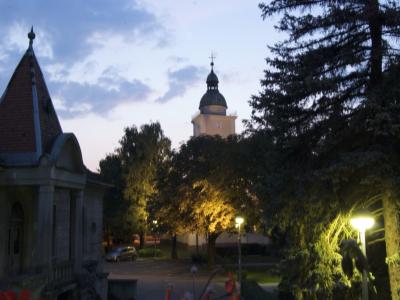
View of Donja Stubica
Scenic town nestled in Krapina-Zagorje hills
Natural Wonders · Viewpoints
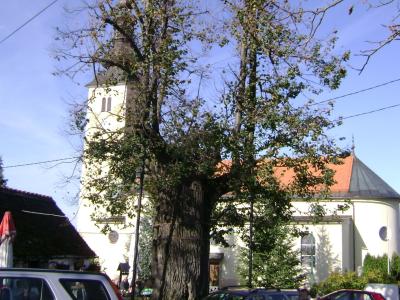
Gupčeva lipa
400-year-old linden, witness to peasant revolt
Cultural Experiences · History & Heritage
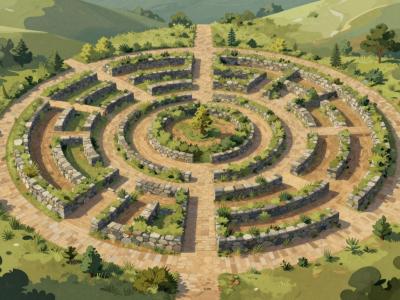
Grad Labirinata
Nine symbolic labyrinths for calm and renewal
Activities & Adventure
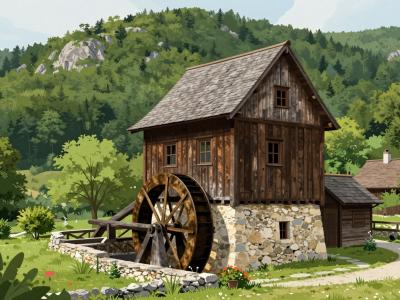
Majsec's Mill
Restored early 20th-century watermill in Zagorje
Cultural Experiences
Donja Stubica by interest
The same sights, grouped by what you came for.
Did you know?
Checked facts about Donja Stubica, each with its source.
-
History
The 1573 Peasant Revolt Ended at Stubica
On 9 February 1573 the peasant army of Matija Gubec was defeated at Stubičko polje, by Donja Stubica, after a four-hour battle with the nobles' forces. Gubec was captured and the Croatian–Slovene Peasant Revolt collapsed.
Source: Croatia Week -
History
Donja Stubica Re-enacts the 1573 Peasant Revolt
Every year Donja Stubica stages a re-enactment of the 1573 Battle of Stubičko polje on a field near Stubički Golubovec manor. The 2023 event, with some 250 participants from Croatia, Hungary, Slovakia and Slovenia, drew nearly 20,000 spectators.
Source: Croatia Week
Planning a visit to Donja Stubica
Itineraries that include Donja Stubica
Good to know
- Currency
- EUR
- Language
- Croatian
Quick Facts
Book your stay
Questions people ask
More places in Zagorje
Zagorje
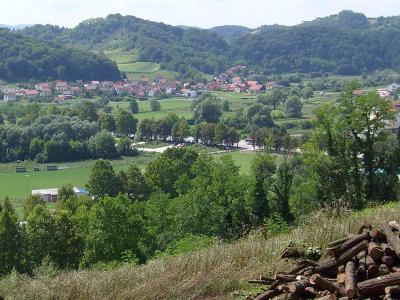
Krapinske Toplice
Zagorje spa village with thermal springs and wellness resorts
Zagorje
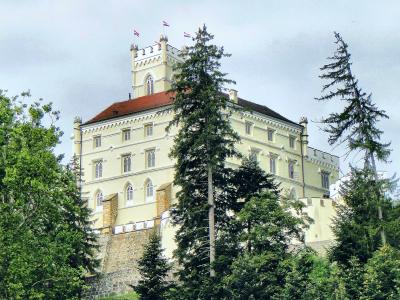
Trakošćan
Fairytale castle village amid forests and lakes
Zagorje
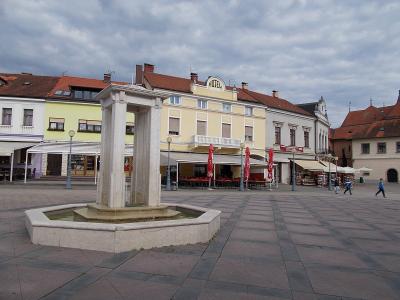
Marija Bistrica
Croatia’s largest Marian shrine in scenic Zagorje hills

Zagorje
Krapina
Neanderthal discovery town with museums and Zagorje hills