


7 days
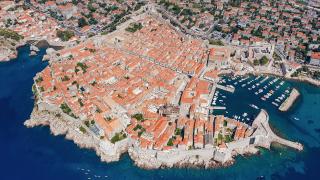
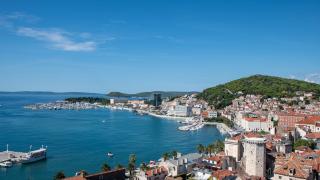
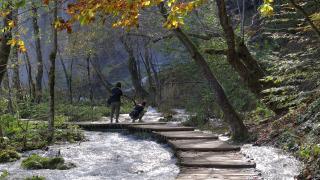
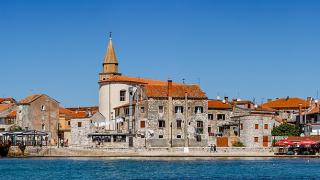
Best of Croatia in a Week
7-day tour of Croatia's top historic towns and islands
View Itinerary →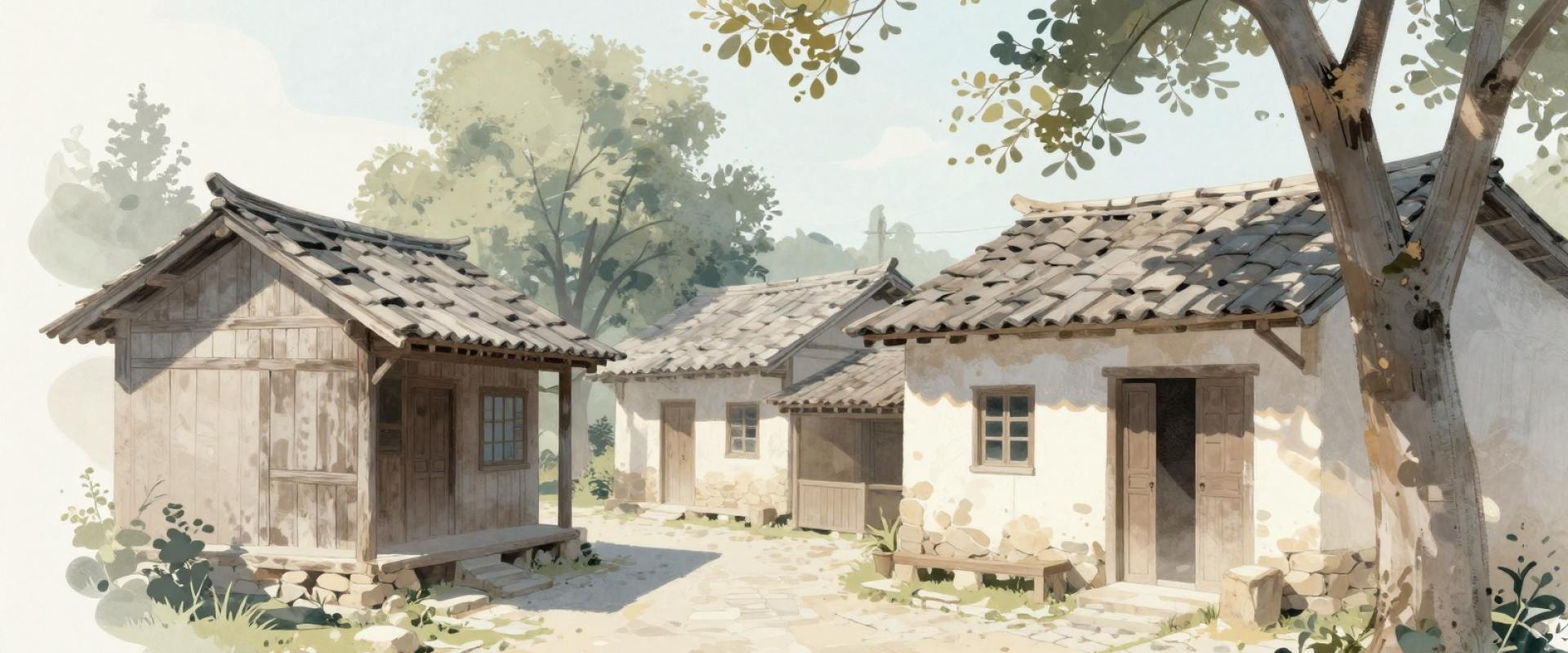
1-day tour of Kumrovec's ethno village and Tito's birthplace
A full-day exploration of Kumrovec, focusing on the preserved 19th-century village life at Staro Selo, the historical significance of Josip Broz Tito's birthplace, and scenic views from the Zelenjak Treetop Path. This itinerary assumes a private car or guided tour from Zagreb, as public transport can be time-consuming.
Travel from Zagreb to Kumrovec
Drive northwest from Zagreb towards the Slovenian border. The journey takes approximately 1 hour and 15 minutes through the green rolling hills of the Zagorje region. If using public transport, this involves a train to Krapina followed by a bus, but a car is recommended for flexibility.
Staro Selo Museum (Old Village)
Explore the open-air museum featuring 60 preserved peasant houses, churches, and mills from the 19th and early 20th centuries. Walk through the antique homes (hize) to see traditional crafts like pottery and blacksmithing. This is the heart of the Kumrovec experience.
Traditional Lunch in Kumrovec
Enjoy a local meal at a restaurant near the museum or in the village center. Typical dishes include Zagorje-style dumplings (štrukli) or roasted meats. This serves as a break from walking.
Birthplace of Josip Broz Tito
Visit the museum dedicated to Yugoslav leader Josip Broz Tito. See his humble birthplace, his elementary school, the arboretum, and the bronze statue. This site provides a deep dive into 20th-century Yugoslav history.
Zelenjak Treetop Path
Walk the 125-meter treetop path offering scenic views of the Zagorje landscape. This is a shorter, nature-focused activity that provides a relaxing end to the sightseeing portion of the day.
Optional: Rose Trail or Local Shopping
If visiting in May, stop at the Rose Trail to see damask rose fields. Otherwise, browse local artisan shops for souvenirs such as honey, plum brandy (šljivovica), or handmade crafts before heading back.
Return to Zagreb
Drive back to Zagreb, arriving in the early evening.
Where to stay: Kumrovec is best visited as a day trip from Zagreb. If staying overnight, consider guesthouses (sobe) in Kumrovec or nearby Krapina for a quieter experience.
Getting around: A private car is highly recommended for this itinerary to navigate the rural roads and visit multiple sites efficiently. Public transport is possible but requires careful timing of trains and buses.
7-day tour of Croatia's top historic towns and islands
View Itinerary →4-day cultural journey through Central Croatia
View Itinerary →