7 days
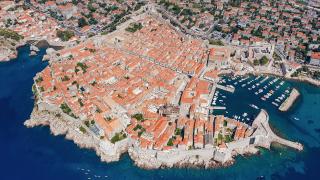
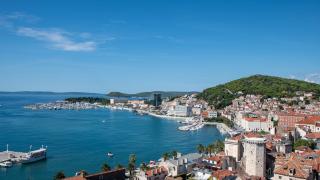
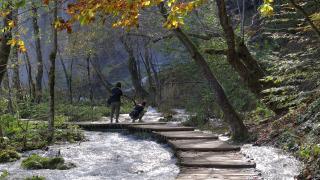
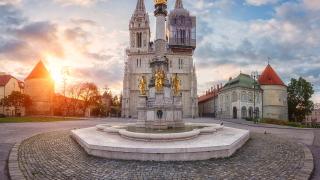
Best of Croatia in a Week
7-day tour of Croatia's top historic towns and islands
View Itinerary →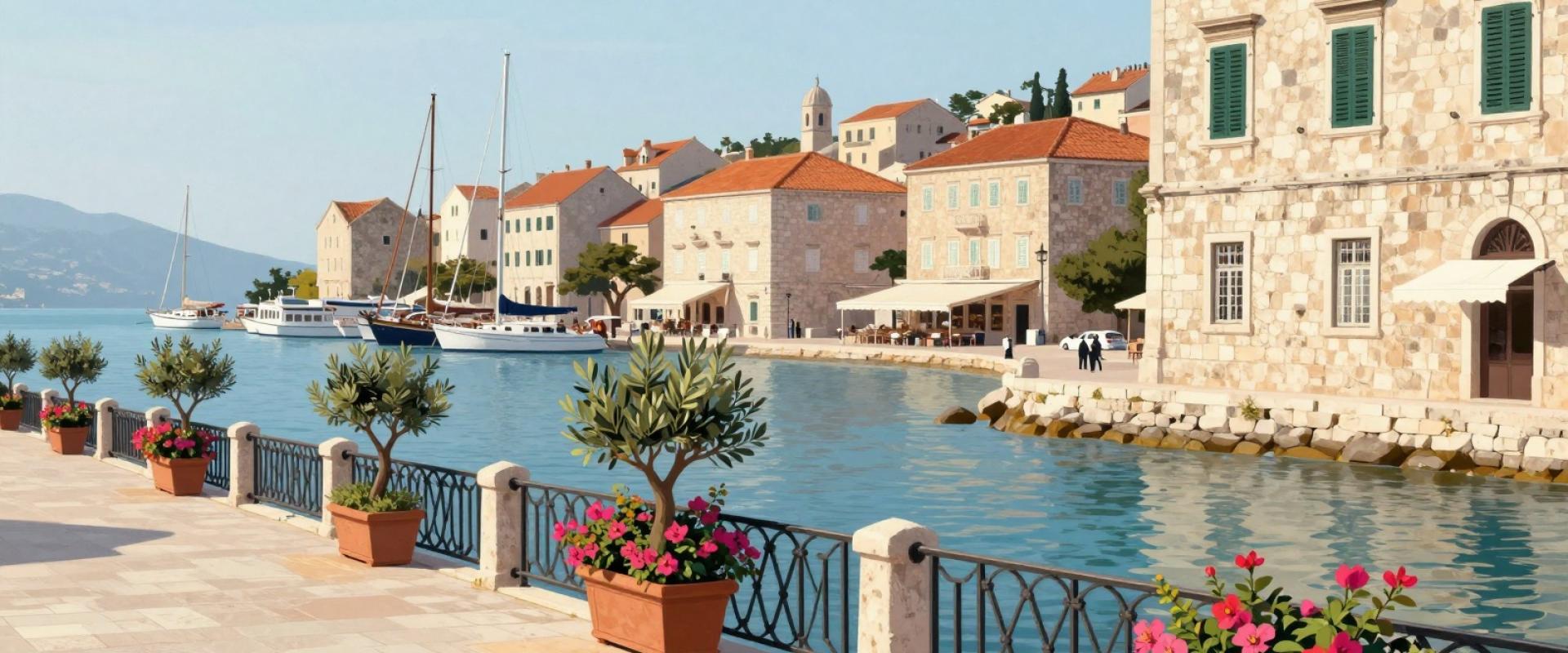
One-day exploration of Rijeka's culture and architecture
A comprehensive one-day exploration of Rijeka, starting with the vibrant city center and market, moving through historic architecture, and ending with panoramic views from Trsat Castle. This itinerary balances cultural sites, local cuisine, and scenic walks.
Rijeka City Market (Riječka tržnica)
Start your day at the bustling local market to experience the authentic rhythm of Rijeka. Browse fresh produce, local cheeses, and seafood while soaking in the lively atmosphere.
Korzo Promenade
Walk along the historic Korzo, the main pedestrian street. Admire the Austro-Hungarian architecture and the vibrant street life. This is the heart of the city and a great spot for people-watching.
Cathedral of St. Vitus
Visit the impressive Cathedral of St. Vitus, located near the Korzo. Explore its neoclassical facade and interior, which reflect the city's religious and historical heritage.
Peek & Poke Computer Museum
Dive into tech history at this unique museum. It features vintage computers and interactive exhibits showcasing the evolution of computing, housed in a historic building.
Maritime and History Museum of the Croatian Littoral
Head to the waterfront to explore Rijeka's maritime heritage. The museum offers insights into the city's role as a major port and its connection to the Adriatic Sea.
Molo Longo (Rijeka Breakwater)
Take a leisurely walk along the Molo Longo, the longest pier in Rijeka. Enjoy the sea breeze and views of the harbor, ending at the historic lighthouse.
Trsat Castle
Ascend to Trsat Hill to visit the castle ruins. The site offers panoramic views of the city and the bay. It is also home to the Church of St. Nicholas, a significant pilgrimage site.
Petar Družić Stairway
Descend from Trsat via the famous Petar Družić Stairway (184 steps). This historic staircase connects the upper town to the lower city, offering great photo opportunities.
Art Cinema Croatia
End the afternoon with a cultural stop at Art Cinema Croatia. This historic cinema showcases independent and art-house films, reflecting Rijeka's status as a European City of Culture.
Waterfront Cafes
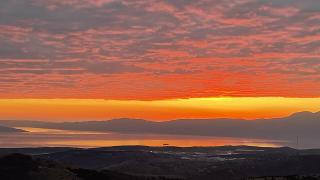
Relax at a waterfront cafe in the Riva area. Enjoy a coffee or a local drink while watching the sunset over the Kvarner Bay.
Where to stay: Stay in the city center near Korzo or the Riva waterfront for easy access to attractions and nightlife.
Getting around: Most attractions in the city center are within walking distance. Use local buses if traveling to Trsat Castle from the lower city, or walk up the stairs for exercise.
7-day tour of Croatia's top historic towns and islands
View Itinerary →4-day cultural journey through Central Croatia
View Itinerary →