







Tikveš Castle (Tikveš Castle Complex)
19th-century hunting lodge in Kopački Rit Park
- Where
- Tikveš, Baranja
- Directions
- Directions
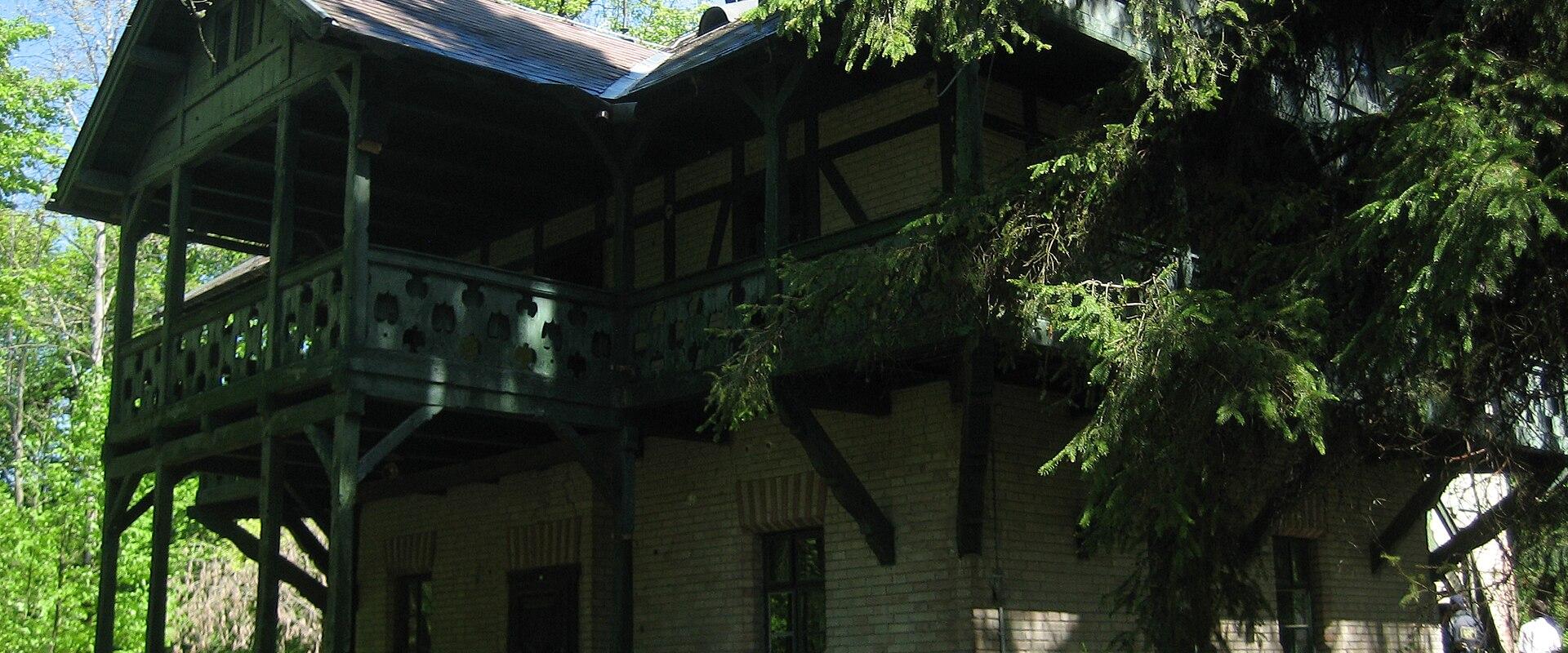
The Tikveš Castle Complex, usually shortened to Tikveš Castle, lies in the wetland forests of Kopački Rit Nature Park, in Baranja, the far northeastern corner of Croatia where the Drava river meets the Danube. The estate grew up around the area’s great hunting grounds, and the floodplain still has the dense woods, reedbeds and backwaters that once drew hunting parties of European nobility.
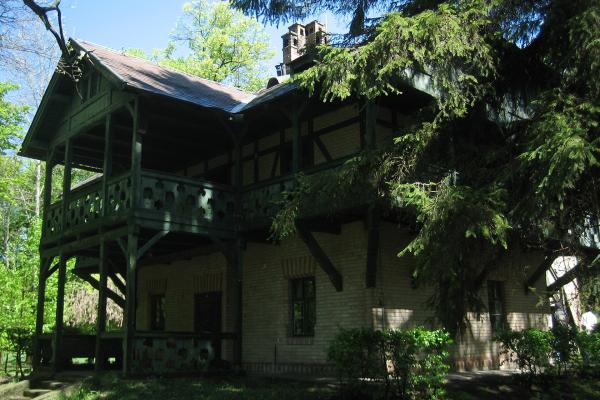
The main house was built in the late 19th century as a hunting lodge for Archduke Friedrich of the Teschen branch of the Habsburg family, who owned the large Baranja estates. It is built in a historicist style, with the fanciful details that late 19th-century noble residences often combined, and it sits in a clearing among tall trees rather than in a town. A small chapel and a number of outbuildings belonged to the same complex, and later additions in the 20th century are plainer and less careful about matching the original look.
The lands of the region had passed through influential hands long before the lodge was built. Prince Eugene of Savoy, the celebrated Habsburg commander, received the Baranja estates in the 1690s, and the family and its successors continued to use the plains as productive farmland and game preserve. After World War I the property became state-owned, and after World War II the Yugoslav President Josip Broz Tito used it as a hunting residence, hosting foreign guests here. That layer of 20th-century politics gives Tikveš a very different feel from a conventional castle: it is as much a story about hunting, diplomacy and power as about architecture.
Today the complex is associated with the nature park, and the setting is its greatest draw. Kopački Rit is among the largest preserved wetlands in Europe, a major bird area and one of Croatia’s best-known protected landscapes, famous for its seasonal flooding, which changes the landscape through the year. A visit here combines naturally with a boat trip or walk in the park, and the castle makes a good stop for people interested in the region’s social history as well as its wildlife. The surrounding woods are quiet, and the atmosphere is calm and slightly secluded.
If you plan to visit, confirm access and any programme in advance, since use of the buildings has varied over time. It suits history and nature lovers who are comfortable with a rural, out-of-the-way destination and who value an unhurried afternoon in the forest over a long checklist of sights.
Categories
More photos coming soon
Nearby Attractions
Closest attractions by distance
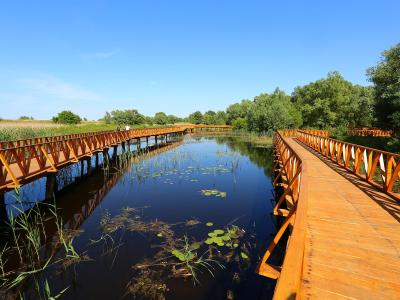
Bio-ecological Station
Europe’s largest alluvial wetland and biodiversity hotspot
Activities & Adventure · Natural Wonders
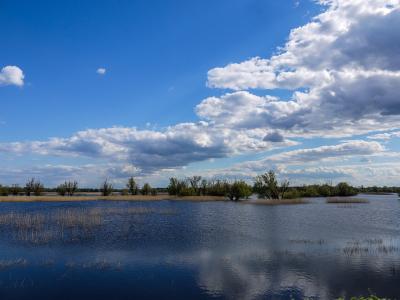
Kopačko Lake
Europe’s largest alluvial wetland and bird sanctuary
Natural Wonders · Lakes
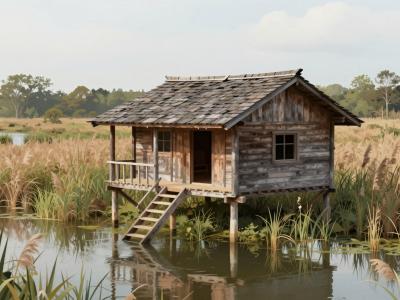
'Stanovi' Traditional Wooden Houses
Traditional wooden houses reflecting regional heritage
Cultural Experiences · History & Heritage
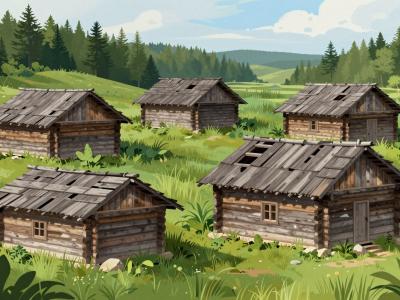
Traditional wooden houses ('stanovi')
Traditional wooden 'stanovi' in Kopački Rit wetlands
Cultural Experiences · History & Heritage
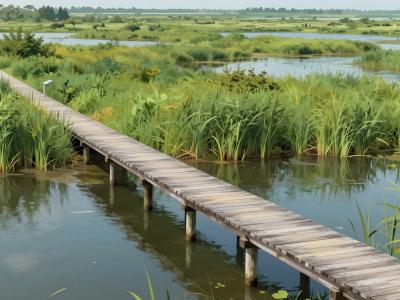
Veliki Sakadaš Pier
Wooden pier overlooking Europe's largest wetland
Coastal & Maritime · Harbors
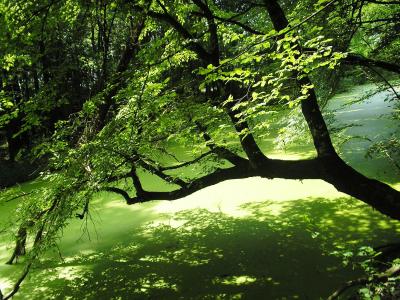
Lug Forest
Historic WWII monument amid ancient oak forest
Activities & Adventure · Natural Wonders
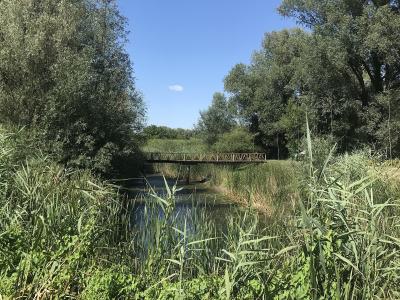
Kopački Rit Nature Park
One of Europe's largest and best-preserved wetlands
Activities & Adventure · Natural Wonders
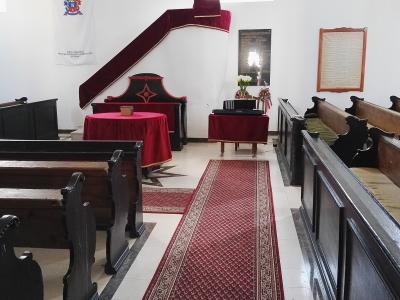
Kopačevo Church
Historic church showcasing Kopačevo’s heritage
History & Heritage · Historic Churches
Questions people ask
Quick Facts
Best Time to Visit
May through October offers pleasant weather, ideal for exploring the region's outdoor attractions.