Two climates, not one
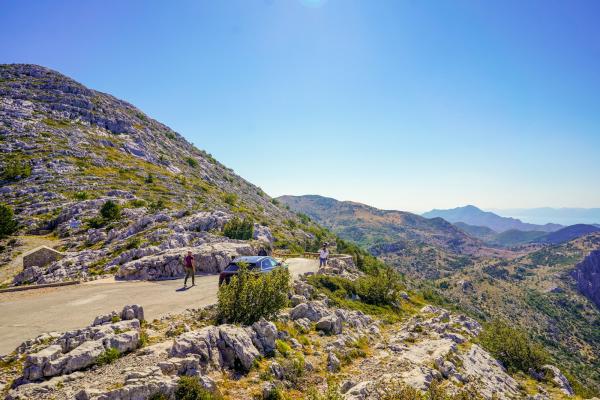
Croatia's coast and its interior have very different weather. The Adriatic coast and islands have a Mediterranean climate: hot, dry summers and mild, wetter winters. Inland Croatia, including Zagreb and Slavonia, has a continental climate, with hot summers and cold winters that can bring frost and snow. Mountain areas such as Gorski Kotar, Lika and the Plitvice Lakes are cooler still, and Plitvice can be snowy in winter.
If your trip combines the coast with Zagreb or Plitvice, pack for both. A day can start cool in the hills and end in heat on the coast.
Essentials for every season
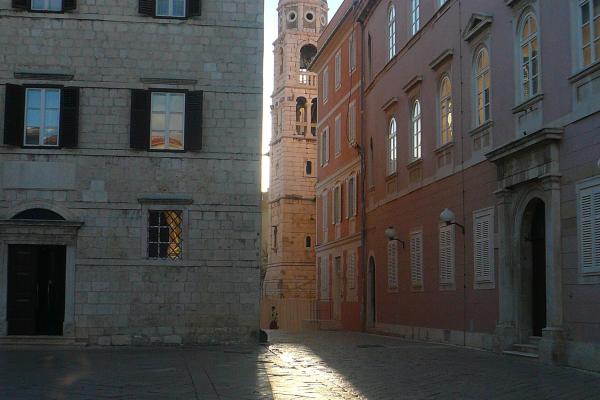
- Comfortable walking shoes with grip. Old-town streets in Dubrovnik, Split and elsewhere are paved with polished limestone that can be slippery, especially when wet.
- Water shoes. Most beaches are pebble or rock, and sea urchins live on rocky seabeds. Water shoes make getting in and out of the sea much easier.
- A plug adapter if needed. Croatia uses type C and F sockets at 230 V, the standard continental European plug.
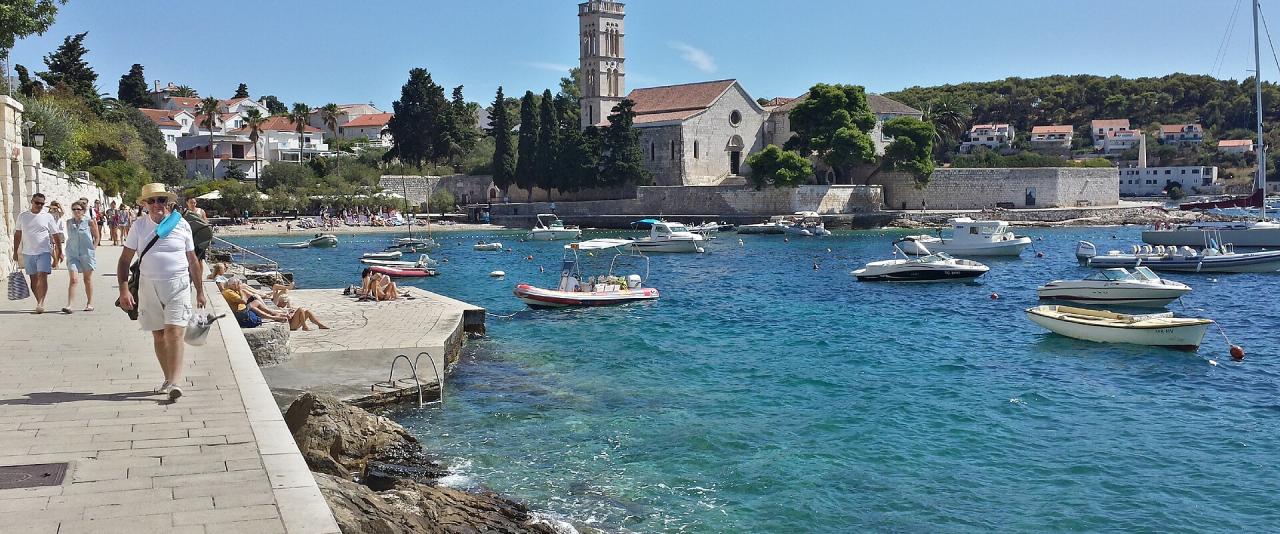
- A light cover-up. Churches expect covered shoulders and knees, and some coastal towns, including Hvar Town, fine visitors for walking around the centre in swimwear.
- A reusable water bottle. Tap water is safe to drink throughout Croatia.
- Some cash. Cards are widely accepted, but small kiosks, markets and taxi boats may want euros in cash.
Summer (June to August)
Summer on the coast is hot and sunny, with long dry spells. Pack:
- Lightweight, breathable clothes in linen or cotton.
- Swimwear (at least two sets so one can dry), a quick-dry towel and a beach bag.
- High-SPF sunscreen, a wide-brimmed hat and sunglasses. The sun reflects off the sea and the white stone, and there is little shade on city walls or on many beaches.
- Snorkel and mask if you like being in the water; the sea is clear along much of the coast.
- A light layer for evening boat trips and air-conditioned buses and ferries.
Inland, Zagreb is also hot in summer, and afternoon thunderstorms are common. A small umbrella or light rain jacket is useful. For Plitvice and Krka, comfortable shoes for boardwalks and trails matter more than swimwear, as swimming is not allowed at Plitvice or at Skradinski Buk in Krka.
Spring and autumn (April, May, September, October)
These are the best months for walking, hiking and sightseeing, and the sea is usually warm enough for swimming from late May to early October. Weather is changeable, so pack in layers:
- T-shirts plus a fleece or light sweater.
- A windproof, waterproof jacket. The bura, a cold north-easterly wind, can blow hard along the coast, and autumn storms can bring heavy rain.
- Long trousers and at least one pair of closed shoes.
- Swimwear for warm days, especially in September.
Mountain areas, including Plitvice and the Velebit and Biokovo ranges, are noticeably colder than the coast in spring and autumn, particularly early in the morning.
Winter (November to March)
The coast is quiet in winter: many hotels, restaurants and island services close or reduce hours. Coastal temperatures are mild compared with northern Europe but often damp and windy. Inland, Zagreb is cold, with frost and sometimes snow. Pack:
- A warm, waterproof coat, plus a hat, scarf and gloves for Zagreb and the interior.
- Waterproof boots or shoes with good grip, especially for Plitvice, where paths can be icy and some routes close in snow.
- Warm layers for indoors as well; older buildings may be cool.
Advent in Zagreb, with outdoor markets from late November to early January, is one of the most popular winter trips. Expect to spend evenings outdoors in cold weather.
Activity extras
- Hiking: proper boots, a daypack, water and a map or offline app. Many coastal mountain trails are rocky and shadeless.
- Island hopping: a small backpack or wheeled bag that is easy to carry on and off ferries and up stone steps.
- Cycling in Istria or on islands: padded shorts and a helmet if you bring your own; hire shops often supply helmets.
- Driving: in Croatia, headlights must be on during the winter period, and the car must carry a reflective vest, warning triangle and first-aid kit; rental cars should already have these.
What you can leave at home
Large amounts of cash, heavy guidebooks and bulky beach equipment such as umbrellas are easy to do without. Pharmacies (ljekarna) and supermarkets in towns stock sunscreen, toiletries and basic medicines, though most shops close on most Sundays, so do not leave essentials until then.