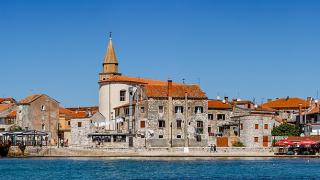
Day 1: Discovering Đakovo: Heritage, Nature, and Horses
A comprehensive one-day exploration of Đakovo, focusing on its rich religious history, the world-famous Lipizzan horse stud farm, and the natural beauty of the surrounding Papuk Geopark.
-
09:00
Visit the Cathedral of St. Peter
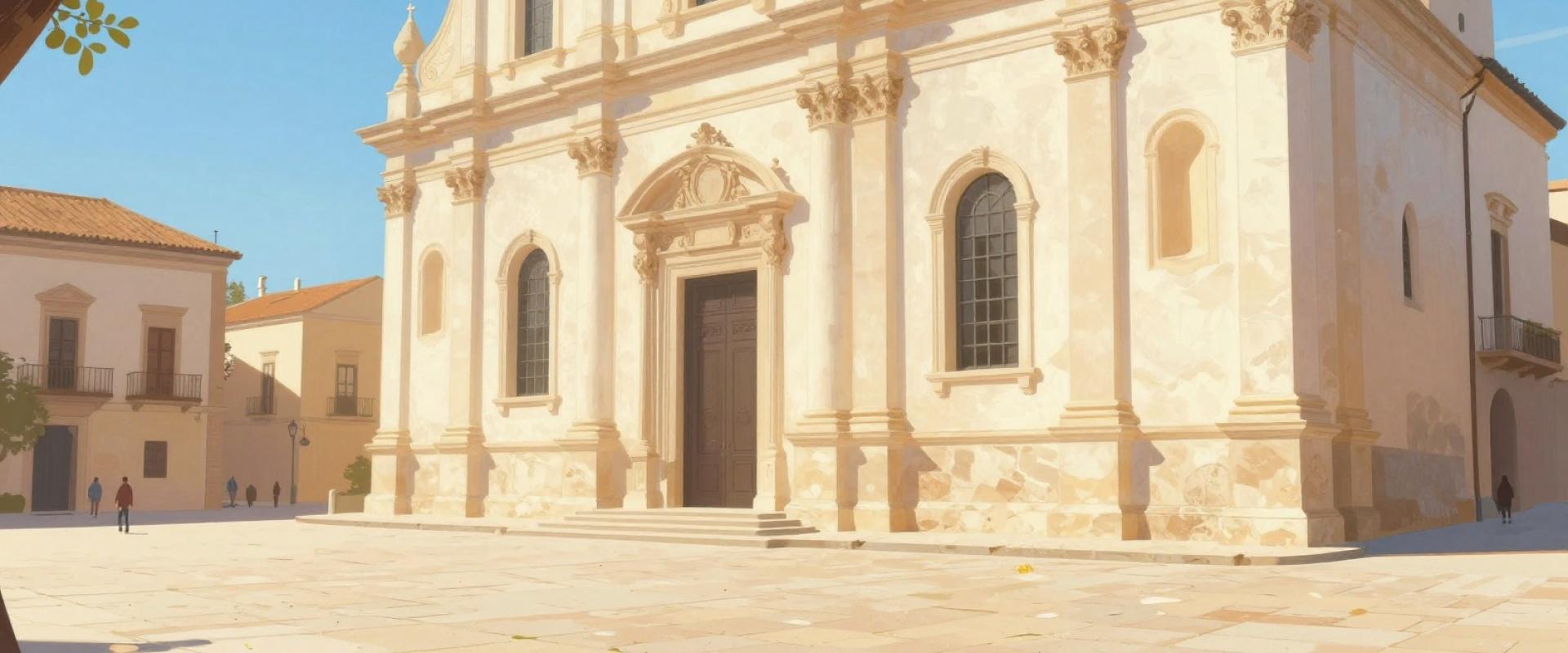
Start your day at the iconic Gothic-Romanesque Cathedral of St. Peter. Admire the historic frescoes, the impressive altar, and the architectural blend of styles that define Đakovo's skyline.
-
10:30
Morning Walk in Strossmayer Park
Take a leisurely stroll through the central Strossmayer Park. Enjoy the greenery, local flora, and the peaceful atmosphere in the heart of the city.
-
11:40
National Lipizzan Stud Farm Tour
Visit Europe’s oldest Lipizzaner stud farm (established 1506). Observe the famous white horses, learn about their breeding history, and watch training sessions if scheduled.
-
13:45
Traditional Lunch in Đakovo
Enjoy a traditional Croatian lunch at a local restaurant in the city center, sampling regional dishes such as kulen or fresh river fish.
-
15:00
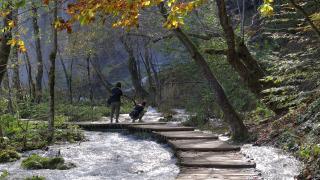
Explore Papuk Nature Park
Drive to the nearby Papuk UNESCO Global Geopark. Hike short trails to enjoy the rich biodiversity, unique geological formations, and panoramic views of the Slavonia region.
-
17:00
Cultural Center of Đakovo
Return to the city to visit the Cultural Center. Explore exhibitions showcasing Đakovo’s heritage, arts, and local history.
-
18:10
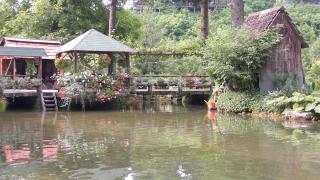
Sunset at Virovitica Ponds
End the day with a relaxing visit to the Virovitica Ponds complex. Enjoy the view of the 12 lakes, perhaps rent a bike or simply relax by the water.
Meals:
Breakfast at City Center Café , Lunch at Local Restaurant, Đakovo , Dinner at Traditional Konoba
Where to stay: Stay in a hotel or guesthouse in central Đakovo for easy access to the Cathedral and Cultural Center. Options include Hotel Đakovo or local apartments.
Getting around: A car is highly recommended to reach Papuk Nature Park and Virovitica Ponds efficiently. Walking is sufficient for the city center attractions.
Practical Information
Đakovo is best visited during the spring (April to June) or autumn (September to October) when temperatures are mild, ranging from 15°C to 25°C, making it ideal for walking the town’s historic center and surrounding vineyards. Summer can be hot and crowded, while winter is cold and damp, though the town has a unique charm during the Christmas season. As a landlocked city in the Slavonia region, it lacks the coastal climate of Dalmatia, so weather variability is higher.
Reaching Đakovo is straightforward via road or rail. It is well-connected by the A3 motorway, with direct access from Zagreb (approximately 1.5 to 2 hours drive) and Osijek (about 45 minutes). Regular bus services operate from major Croatian cities, and the train station offers connections to Zagreb and other regional hubs. Once in Đakovo, the town is compact and highly walkable. Most key attractions, including the Cathedral of St. Peter and St. Paul and the Bishop’s Palace, are within a 15-minute walk of each other. For exploring the surrounding wine villages like Marija Bistrica or the Danube plains, renting a car or joining a local guided tour is recommended, as public transport to these peripheral areas is limited.
Accommodation options in Đakovo are modest compared to coastal tourist hubs. Travelers will find a mix of small family-run guesthouses, boutique hotels, and apartments, particularly in the town center near the cathedral. For a broader range of choices, staying in nearby Osijek (30 km away) offers more international hotel chains and nightlife, though it requires daily commuting. Budget considerations for a one-day trip should focus on local dining, as Đakovo is known for affordable, hearty Slavonian cuisine. Costs for meals and entry to the cathedral are generally low, but wine tasting tours in the surrounding vineyards can add significant expense if not booked in advance.
Pack comfortable walking shoes for cobblestone streets and layers for changing weather conditions. Bring a camera for the baroque architecture and a reusable water bottle, as tap water is safe. Important tips include checking the mass schedule at the Cathedral, as it is an active religious site, and respecting the quiet hours in residential areas. While English is spoken in tourist-facing businesses, learning a few basic Croatian phrases is appreciated. Finally, verify opening hours for smaller museums and private vineyards, as they may have restricted access on weekdays or holidays.