Discovering Krapina

One-day exploration of Krapina-Zagorje's history and nature

1 day Easy difficulty Est. €28

Day 1: Prehistoric Past and Medieval Heights

A comprehensive day exploring Krapina's dual heritage: the world-famous Neanderthal history and the medieval fortifications overlooking the town.

  • 09:00

    Krapina Neanderthal Museum

    Start your day at the museum dedicated to the discovery of Neanderthal fossils in Krapina. Explore the exhibits on human evolution, the excavation site, and the interactive displays that make this one of Croatia's most significant cultural sites.

  • 10:30

    Travel to Krapina Town

    Short drive or bus ride from the museum (located slightly outside the center) to the historic town center of Krapina.

  • 11:00

    Stari Grad Krapina (Old Town)

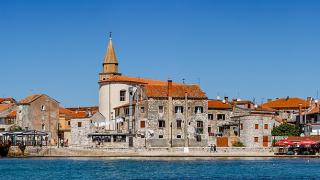
    Walk through the charming medieval old town. Visit the Parish Church of St. Bartholomew and admire the preserved medieval architecture and narrow streets that define the historic core.

  • 12:00

    Lunch in Krapina

    Enjoy a traditional Croatian lunch at a local konoba (tavern) in Krapina. Try local Zagorje specialties such as štrukli (cheese pastry) or venison stew.

  • 13:30

    Krapina Medieval Fortress

    Hike up to the ruins of the medieval fortress atop the hill. The site offers panoramic views of the Krapina Valley and the surrounding hills. It is a significant archaeological and historical site.

  • 14:45

    Gradska Knjižnica Krapina

    Visit the central library, which often serves as a cultural hub hosting local exhibitions and events. It provides a quiet glimpse into the local community life and history.

  • 15:30

    Coffee and Stroll

    Relax at a café in the town square, enjoying the local atmosphere and reflecting on the day's discoveries.

Meals: Lunch at Local Konoba in Krapina Town

Where to stay: Krapina has limited hotel options. Consider staying in nearby Zagorje region towns like Zabok or Krapinske Toplice for more hospitality options, or return to Zagreb if based there.

Getting around: A car is highly recommended for flexibility, especially to reach the Neanderthal Museum and the fortress. Public buses connect the town center to the museum and nearby villages.

Practical Information

Krapina, the capital of Krapina-Zagorje County, offers a distinct inland Croatian experience, characterized by rolling hills, vineyards, and significant paleontological history. The best time to visit is during the shoulder seasons of spring (April to June) and autumn (September to October). During these months, the weather is mild and ideal for hiking and outdoor exploration, avoiding the peak summer crowds and heat. Winter can be cold with occasional snow, which may limit access to some rural trails, while summer brings higher temperatures and more tourists. Reaching Krapina is straightforward via public transport or car. It is located approximately 40 kilometers north of Zagreb, the capital. Regular buses depart from Zagreb’s main bus station (Maksimir) and take about one hour. Driving is also convenient, as Krapina is well-connected by the A2 highway. Once in town, the historic center is compact and easily walkable. For exploring the surrounding Zagorje region, including castles and vineyards, renting a car or joining a guided tour is highly recommended, as public transport to rural attractions is limited. Accommodation options range from boutique hotels in the town center to rural agritourism farms in the countryside. Staying in Krapina town provides easy access to restaurants and the Neanderthal Museum, while rural stays offer a quieter, immersive experience in the local wine country. Budget considerations should account for moderate costs; dining and lodging are generally less expensive than on the coast. Most costs for meals, museum entries, and local transport are not included in standard accommodation rates, so budget accordingly for daily expenses. Essential items to pack include comfortable walking shoes for cobblestone streets and uneven terrain at archaeological sites. Layered clothing is advisable due to variable weather. Don’t forget a camera for the scenic landscapes and the unique Neanderthal Museum exhibits. Important tips include checking opening hours for museums and rural attractions in advance, as they may have limited schedules outside peak season. Additionally, learning a few basic Croatian phrases can enhance interactions with locals, and carrying some cash is useful for smaller establishments or markets that may not accept cards.

Book your stay

More Itineraries