
5 days
Dalmatia Coastal Adventure
5-day Dalmatian coastal adventure and island exploration
View Itinerary →
7-day tour of Split, Hvar, and Dubrovnik
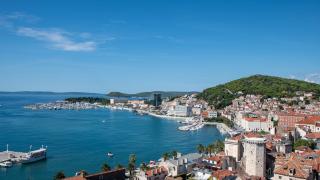
Arrive in Split, Croatia's second-largest city. Explore the UNESCO-listed Diocletian's Palace, the heart of the city, and enjoy a sunset walk along the Riva promenade.
Diocletian's Palace Exploration
Walk through the ancient Roman palace built for Emperor Diocletian. Visit the Peristyle, the Cathedral of Saint Domnius, and the underground crypts.
Lunch in the Old Town
Enjoy traditional Dalmatian cuisine in a tavern within the palace walls.
Marjan Hill Walk
Take a leisurely walk up Marjan Hill for panoramic views of the city and archipelago.
Where to stay: Stay in Split Old Town or near the Port for easy access to ferries and attractions.
Getting around: Walking is sufficient for exploring the city center. Use local buses or taxis for Marjan Hill.
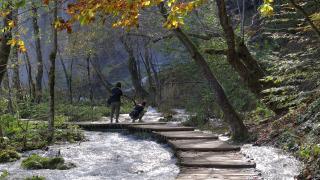
Day trip to Krka National Park. Walk along the wooden paths to see the stunning Skradinski Buk waterfall and explore the historic town of Skradin.
Ferry to Skradin
Take the scenic ferry from Split to Skradin, the gateway to Krka National Park.
Skradinski Buk Waterfall
Hike the marked trails to witness the largest waterfall cascade in Krka National Park. Swim is permitted in designated areas.
Lunch at the Park
Picnic or dine at one of the restaurants near the entrance or in Skradin.
Roški Waterfall & Ključica Fortress
Visit the smaller but equally beautiful Roški Waterfall and hike up to Ključica Fortress for panoramic views.
Where to stay: Return to Split for overnight stay.
Getting around: Ferry from Split to Skradin is essential. Walking shoes required for park trails.
Ferry to the island of Hvar. Explore the vibrant Hvar Town, visit the Fortress, and take a boat trip to the stunning Stiniva Cove.
Ferry to Hvar Town
Fast catamaran from Split to Hvar Town.
Hvar Fortress (Fortica)
Climb to the Venetian Fortress for breathtaking views of the archipelago.
Lunch at the Plaza
Lunch at a cafe on the main square, the Trg Sv. Stjepana.
Boat Trip to Stiniva Cove
Join a small boat tour to Stiniva Cove, a secluded beach with dramatic cliffs and crystal-clear water.
Where to stay: Stay in Hvar Town for nightlife and convenience, or Paklenica for a quieter experience.
Getting around: Walking in Hvar Town. Boat rental or tour required for Stiniva.
Travel to the furthest inhabited island, Vis. Visit the Blue Cave and relax in the secluded Stoncica Bay.
Ferry to Vis
Longer ferry ride from Hvar to Vis Island (Vis Town).
Blue Cave Visit
Take a small boat into the famous Blue Cave to see the magical blue light reflection.
Lunch in Vis Town
Fresh seafood lunch in the charming harbor of Vis Town.
Stoncica Bay Relaxation
Visit Stoncica Bay, a pristine pebble beach with turquoise waters, perfect for swimming and sunbathing.
Where to stay: Stay in Vis Town or Komiža for authentic island atmosphere.
Getting around: Local bus or taxi on Vis. Boat tour essential for Blue Cave.
Travel to Korčula. Explore the walled Old Town, often called 'Little Dubrovnik', and visit the Kanavelić Tower.
Ferry to Korčula
Ferry from Vis to Korčula Town.
Korčula Old Town Walk
Explore the narrow streets, St. Mark's Cathedral, and the alleged birthplace of Marco Polo.
Lunch with a View
Lunch at a restaurant overlooking the harbor.
Kanavelić Tower
Visit the 15th-century defensive tower on the eastern side of the old town for Adriatic views.
Where to stay: Stay within the walls of Korčula Old Town for a historic experience.
Getting around: Walking is best for exploring the walled town.
Day trip to Omiš, known for its pirate history and dramatic canyon. Rafting on the Cetina River and visiting Mirabella Fortress.
Bus to Omiš
Short bus ride from Split to Omiš.
Mirabella Fortress
Hike to the 13th-century fortress for panoramic views of the Cetina River mouth.
Lunch by the River
Traditional meal at a restaurant along the Cetina River.
Cetina River Rafting/Boat Tour
Optional: Take a boat tour or raft down the Cetina River to the sea.
Where to stay: Return to Split for the final night.
Getting around: Bus from Split to Omiš. Walking or local transport in Omiš.
Final day exploring Mljet Island, known for its two saltwater lakes and ancient monastery. Departure from Dubrovnik or Split.
Ferry to Mljet
Ferry from Korčula or Split to Mljet Island (Pomena or Sobra port).
Mljet Lakes & St. Mary's Island
Visit the two large saltwater lakes and take a small boat to the 12th-century Benedictine monastery on St. Mary's Island.
Lunch on Mljet
Fresh fish lunch at a local konoba.
Mljet Forest Walk
A gentle walk through the pine forest covering the island.
Where to stay: Departure from Dubrovnik (via ferry/bus) or return to Split for flight.
Getting around: Ferry to Mljet. Local bus or taxi on the island.
5-day Dalmatian coastal adventure and island exploration
View Itinerary →7-day tour of Croatia's top historic towns and islands
View Itinerary →4-day cultural journey through Central Croatia
View Itinerary →