


7 days
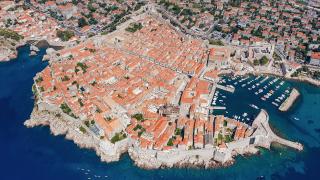
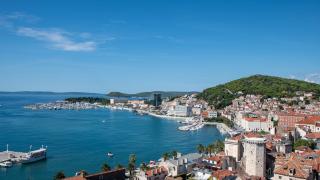
Best of Croatia in a Week
7-day tour of Croatia's top historic towns and islands
View Itinerary →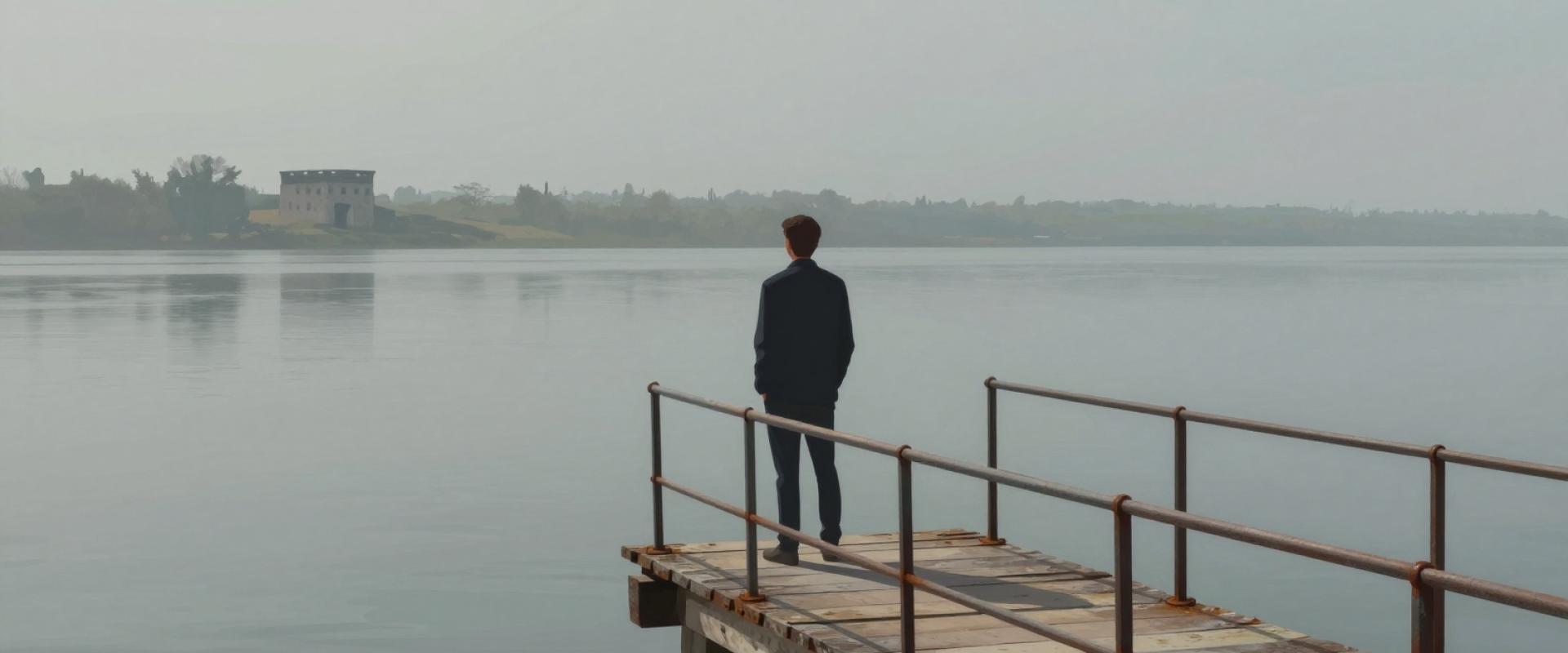
One-day reflective tour of Vukovar's war memorials and Danube docks
A reflective journey through Vukovar's poignant history, focusing on the symbols of resilience and the profound impact of the 1991 war. This day balances somber remembrance with the ancient heritage of the region, offering a deep, low-key cultural experience.
Vukovar Water Tower
Begin your visit at the iconic Water Tower, the most recognizable symbol of Vukovar. Walk around the structure to view the bullet holes and scars left from the 1991 siege. It serves as a powerful introduction to the city's resilience and the 'Hero City' narrative.
Memorial Cemetery of the Victims of the Homeland War
Travel to the memorial cemetery, a solemn and beautifully landscaped site honoring the victims of the 1991 war. Walk through the rows of graves and visit the central monument. This is a place for quiet reflection and understanding the human cost of the conflict.
Lunch in City Center
Head to a local konoba (tavern) in the compact city center for a traditional Slavonian lunch. Expect hearty meals like stews or grilled meats, offering a warm contrast to the morning's somber tone.
Vučedol Culture Museum
Visit the museum dedicated to the Vučedol Culture, an Eneolithic culture known for its advanced innovations. Explore artifacts from the famous 'Vučedol Dove' and learn about the region's prehistoric significance, providing a deep historical context beyond the 20th century.
Danube Promenade Walk
End the day with a leisurely walk along the Danube docks and riverside promenade. Enjoy the peaceful atmosphere, the view of the river, and the slower pace of life that characterizes Vukovar.
Where to stay: Vukovar has limited but safe and cheap accommodation options. Look for guesthouses or small hotels in the city center for easy walking access to attractions. As noted, it is a low-key destination without a backpacker scene.
Getting around: The city center is compact and highly walkable. For the Vučedol Museum, which is slightly outside the immediate center, a short taxi ride or local bus is recommended. Buses connect well to Osijek and Zagreb if you are continuing your journey.
7-day tour of Croatia's top historic towns and islands
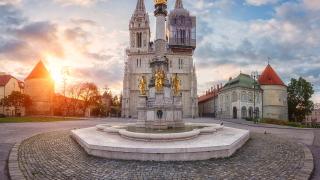
View Itinerary →4-day cultural journey through Central Croatia
View Itinerary →