

7 days
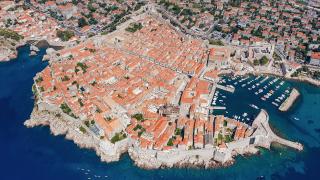
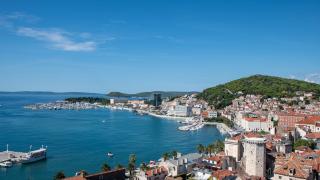
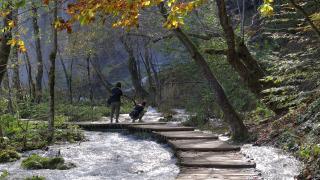
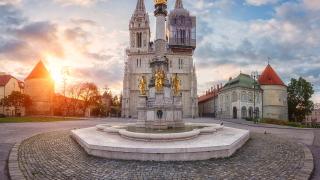
Best of Croatia in a Week
7-day tour of Croatia's top historic towns and islands
View Itinerary →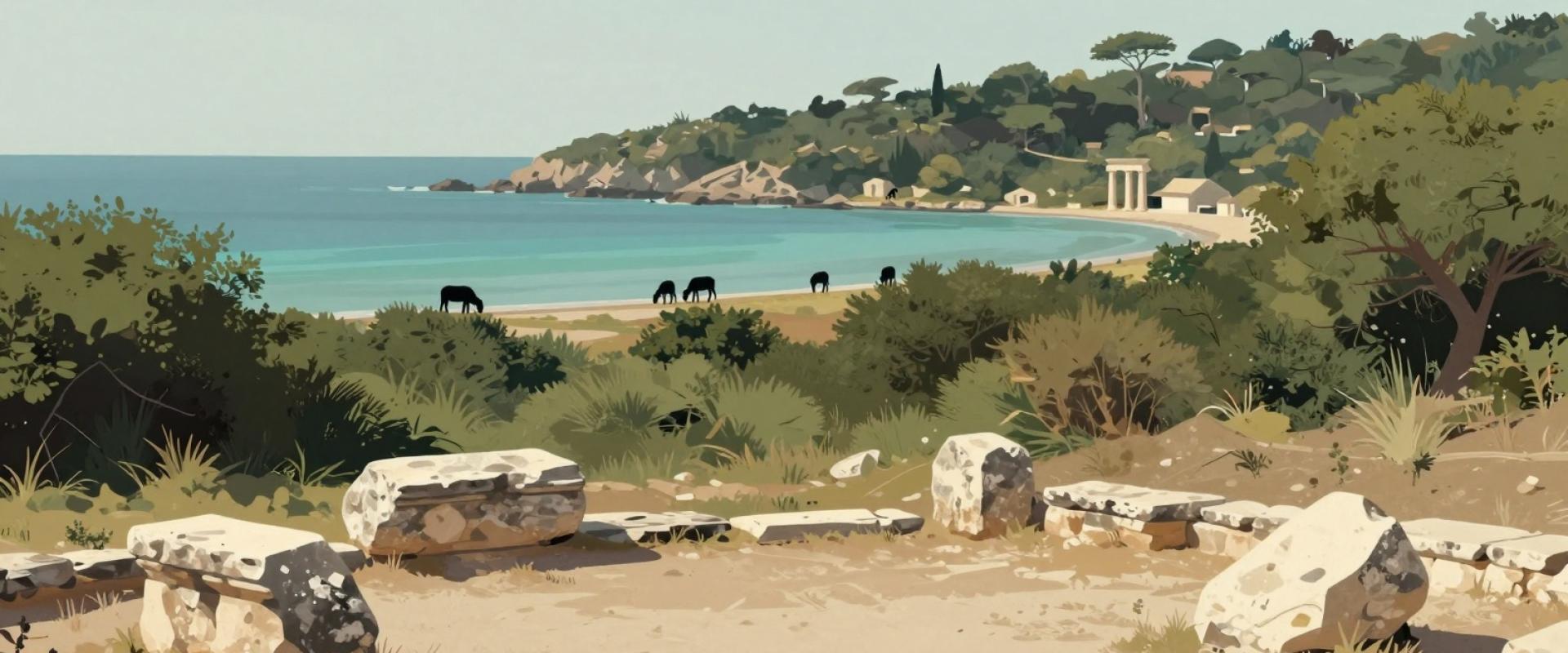
Roman ruins, safari wildlife, and Tito’s legacy in one day
A full-day excursion to the Brijuni Islands from Fažana. This itinerary covers the main highlights of the archipelago, including the Safari Park, Roman ruins, and the historic sites associated with Josip Broz Tito, utilizing the park's electric train for efficient transit.
Ferry to Brijuni
Take the morning ferry from Fažana (near Pula) to the main island of Veliki Brijun. The 15-minute ride offers scenic views of the Adriatic. Note: Ferries run frequently but require tickets purchased in advance or at the kiosk.
Transfer to Safari Park
Upon arrival at the main port, board the park's electric train or walk to the Safari Park entrance. The train is recommended to save energy for walking.
Safari Park Exploration
Visit the Safari Park, home to exotic animals gifted to Tito, including zebras, ostriches, and deer. Walk through the fenced areas and observe the animals roaming freely in a naturalistic setting.
Dinosaur Footprints Site
Visit the site of the 130-million-year-old dinosaur footprints. This is a unique paleontological find preserved in the limestone, offering a fascinating glimpse into the prehistoric past of the region.
The Olive Tree
See the 1600-year-old olive tree, one of the oldest living organisms in the world. It is still bearing fruit and is a protected natural monument. The surrounding area offers great photo opportunities.
Lunch at Hotel Neptun or Park Restaurant
Enjoy a traditional Croatian lunch at the historic Hotel Neptun or one of the park's restaurants. Try local specialties like fish stew or grilled meats. The Austro-Hungarian architecture adds to the experience.
Tito's Museum
Explore the Villa Brioni, now a museum dedicated to Josip Broz Tito. View his personal belongings, gifts from world leaders, and learn about the island's role as a diplomatic retreat during the Cold War.
Byzantine Castrum and Roman Ruins
Walk through the archaeological site of the Byzantine Castrum and nearby Roman thermal baths. These ruins provide insight into the island's strategic importance throughout history.
Verige Bay Relaxation
Spend the afternoon at Verige Bay, a pristine sandy beach within the national park. It is perfect for swimming, sunbathing, and enjoying the clear Adriatic waters.
Return Ferry to Fažana
Take the electric train back to the port and board the afternoon ferry to Fažana. Check the schedule in advance to ensure you catch the last or second-to-last ferry.
Where to stay: Brijuni Islands are a national park and day-trip destination. There are no public accommodations for tourists on the main islands for overnight stays (except for specific hotel guests of the Brijuni Grand Hotel, which is rare). Stay in Pula or Fažana mainland.
Getting around: Ferries depart from Fažana. On the island, the electric train is the most efficient way to get between major sites. Walking is possible but the island is hilly and distances can be long in the heat.
7-day tour of Croatia's top historic towns and islands
View Itinerary →4-day cultural journey through Central Croatia
View Itinerary →