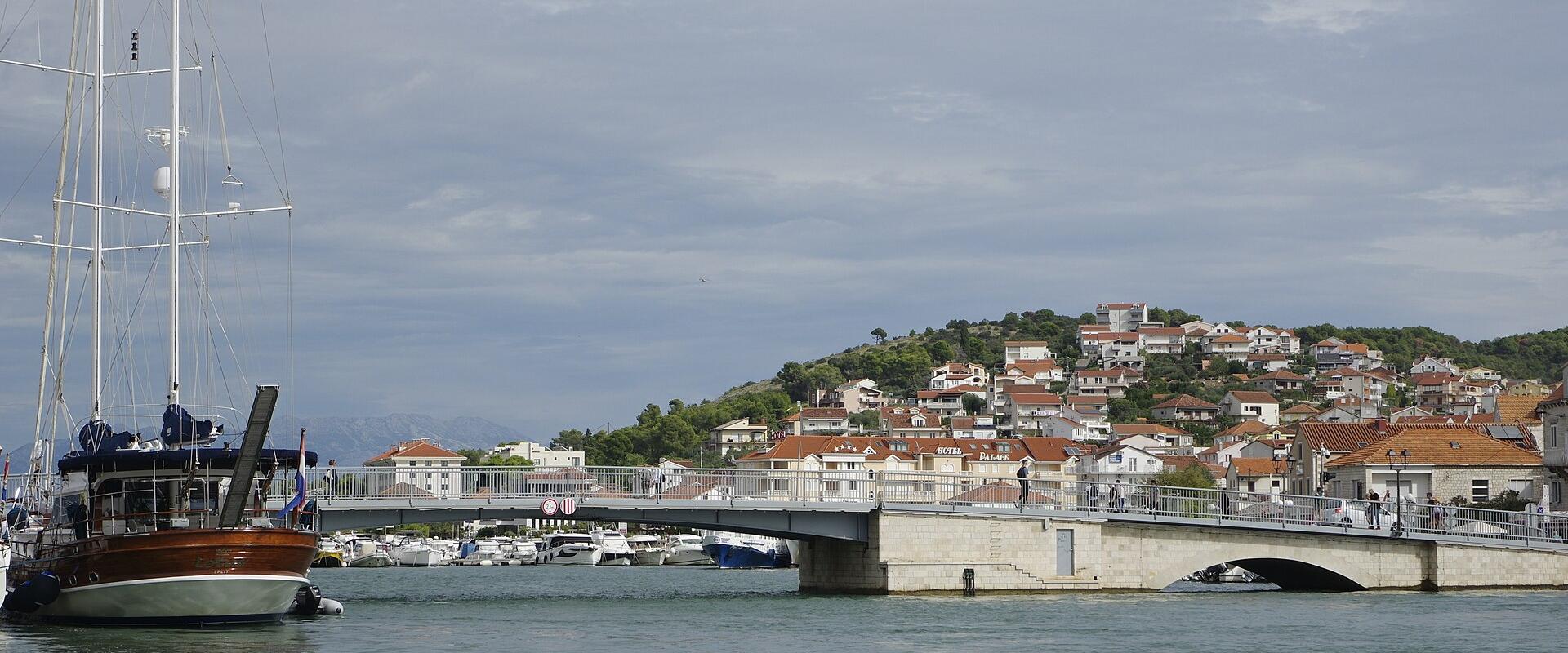
Step Into the Stone-Labyrinth
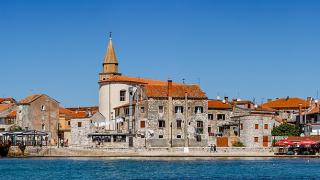
Trogir is not merely a destination; it is a dialogue with history. Located just a short drive from Split, this UNESCO-listed gem feels less like a curated museum and more like a continuous, breathing conversation with the past. The town’s urban fabric, rooted in the third century BC, invites you to surrender your sense of direction. Lose yourself in narrow alleys where Greek foundations, Roman infrastructure, and Venetian grandeur overlap in a chaotic yet harmonious tapestry. The atmosphere is thick with the scent of salt spray and the warmth of sun-baked limestone, a sensory backdrop that lingers long after you have left the island.
At the heart of this medieval maze lies the Cathedral of St. Lawrence. It demands attention, but its true masterpiece is the west facade. Radovan’s Portal, completed in 1240, stands as the pinnacle of Dalmatian Romanesque sculpture. Its intricate carvings reward hours of study, depicting apostles and prophets whose stone faces have weathered eight centuries of Adriatic winds. Beyond the cathedral, Ćipiko Palace and the Duke’s Palace frame sunlit squares where time seems to suspend. Locals and visitors alike gather near the City Loggia, finding shade and respite while watching the light shift across ancient facades.
Curious travelers should venture off the main thoroughfares to seek out the rare Kairos relief. Often missed by those sticking to the beaten path, this artifact adds a layer of philosophical mystery to the Monastery of St. Nicholas complex. While its exact historical attribution is debated, its presence is undeniable. From there, a brief walk leads to Kamerlengo Fortress, where the Adriatic breeze offers a refreshing contrast to the midday heat. Trogir does not shout for attention; rather, it rewards those who take the time to look closely at its details.
Radovan’s Portal & The Stone Giants
The Cathedral of St. Lawrence anchors Trogir’s UNESCO-listed center, its facade a testament to 13th-century craftsmanship that looms large against the sky. Yet, the structure’s true soul resides at its western entrance. Radovan’s Portal is not just a door; it is a narrative in stone. Completed in 1240, it merges Romanesque solidity with emerging Gothic elegance. You will find yourself tracing the intricate folds of drapery and the expressive gazes of biblical figures, realizing that this single portal encapsulates the artistic zenith of its era.
Beyond the religious grandeur of the cathedral, the Kamerlengo Fortress commands the waterfront. Its thick, imposing walls bear the scars of Venetian rule, standing as a silent sentinel against the sea. A short walk reveals the Ćipiko Palace and the City Loggia, structures where medieval civic life once unfolded with bustling energy. These buildings form a cohesive architectural narrative, distinct from the spiritual focus of the cathedral but equally rich in historical weight.
Scholars often point to the Kairos relief as a hidden gem, though its original placement remains a subject of academic debate. Whether found near the Loggia or within the cathedral complex, this rare artifact captures a fleeting philosophical moment in carved stone. It serves as a quiet counterpoint to the bustling squares that surround it. Trogir’s narrow streets enforce a slower pace. The compact layout allows visitors to traverse the entire historic core in a single afternoon, with sunlight playing across limestone facades, changing the town’s appearance with every passing hour.
Sunset Sips & Seafood Feasts
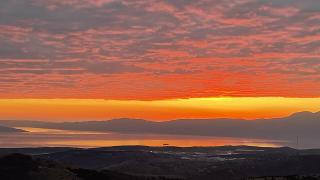
Golden hour transforms the Riva promenade, turning the ancient stone into warm amber as the sun slips below the horizon. This UNESCO-listed enclave, a harmonious blend of Greek, Roman, and Venetian layers, feels less like a museum and more like a living, breathing neighborhood. Finding a seat near the water is an exercise in timing; the best tables vanish quickly, so securing a reservation early is wise. The clatter of cutlery and the murmur of conversation blend with the gentle lap of Adriatic waves against the quay.
Once settled, the menu offers a direct line to Dalmatian tradition. The black risotto, stained with squid ink, delivers a briny depth that pairs effortlessly with the bold, tannic structure of local Plavac Mali. Alternatively, grilled octopus provides a smoky counterpoint to the sea breeze. Above the meal, the Cathedral of St. Lawrence and Radovan’s Portal stand as silent witnesses to centuries of history. The air hums with a quiet energy, intimate yet alive. It is a setting where the day’s exploration naturally dissolves into contentment. If you seek a memorable conclusion to your time in Trogir, this is the place to linger, hungry for both food and the view.
The sun dips below the horizon, casting long shadows across the Riva. You are in a medieval city that feels like a living museum. This ancient port reflects influences from Greek, Roman, and Venetian civilizations. Grab a table near the water. Order the black risotto or grilled octopus. These dishes define Dalmatian cuisine. Pair them with local Plavac Mali wine. The atmosphere is electric yet intimate. It is a perfect end to a day of exploring. The Cathedral of St. Lawrence stands tall nearby. Radovan’s Portal watches over the feast. Enjoy the view of the Adriatic. It is truly special. Trogir offers a unique dining experience. Do not miss it. Book a table early. The best spots fill up fast. Come hungry. Leave happy.
Split’s Quick Escape
Trogir’s proximity to Split makes it a convenient day trip, with the local bus being the most reliable transport option at just a few euros. The town itself is a UNESCO-listed medieval center with roots stretching back to the 3rd century BC, where narrow alleys wind past the Cathedral of St. Lawrence and Radovan’s famous Portal. Arriving early offers a distinct advantage, allowing you to experience the sun-drenched squares before the heat and cruise ship crowds intensify.
Visible influences from Greek, Roman, and Venetian eras define the landscape, particularly around the Kamerlengo Fortress that guards the harbor. Ćipiko Palace and the City Loggia showcase intricate architectural details that invite closer inspection. While the Kairos relief is often cited in guides, its exact location can be tricky; it is generally associated with the Cathedral complex rather than the Monastery of St. Nicholas, so verifying the specific site is wise.
This compact environment operates as an open-air museum, accessible around the clock for those who prefer wandering without schedule constraints. Sipping coffee in a quiet corner allows for a leisurely pace, making the effort to visit well worth the time spent. The town’s layout encourages a slower pace, allowing visitors to traverse the entire historic core in a single afternoon. Sunlight plays across limestone facades, changing the town’s appearance with every passing hour. Local cafes offer a respite from the heat, providing a vantage point for observing daily life. This interplay of history and present-day routine defines the town’s enduring appeal.